Archive for 2026年5月
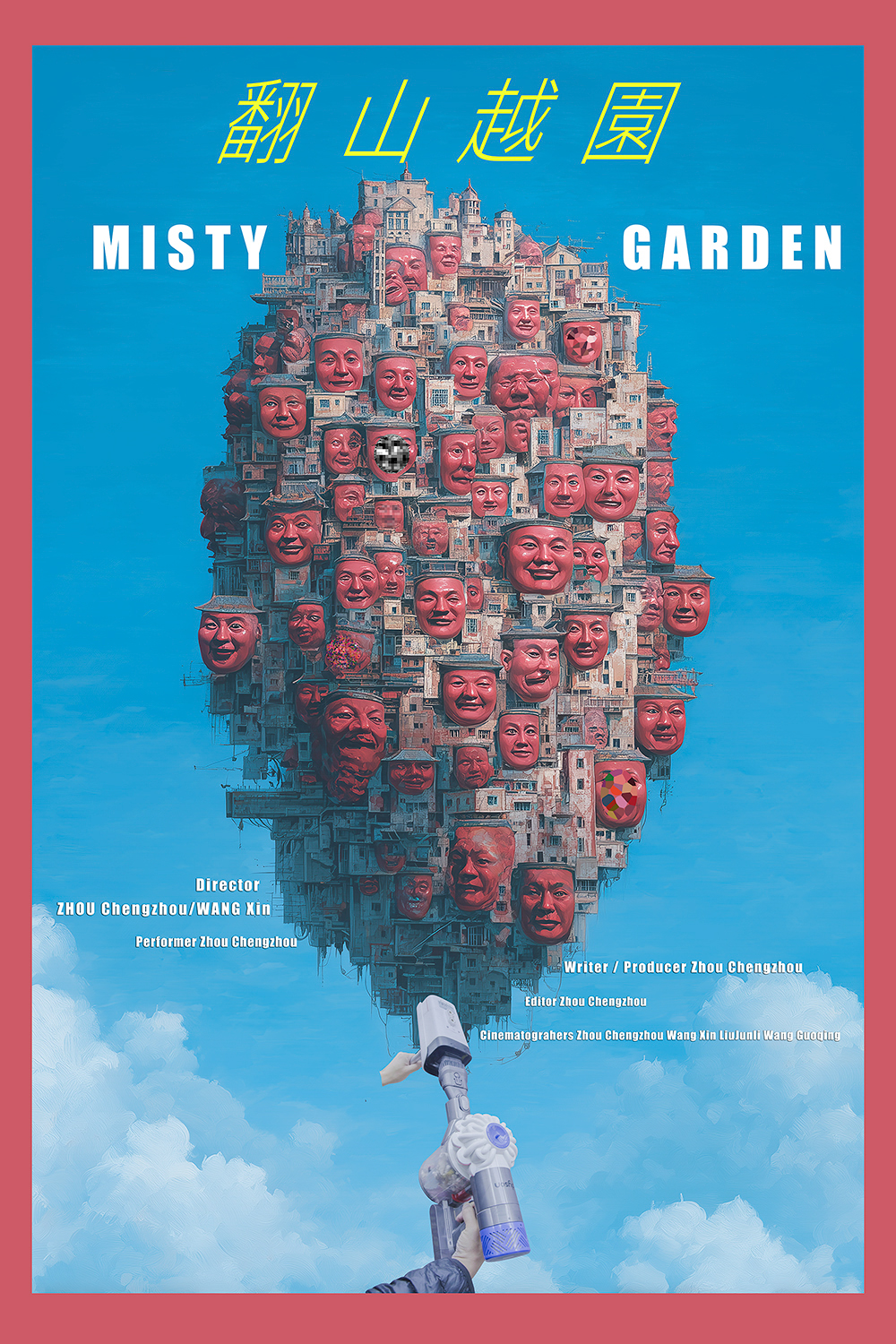
翻山越園 (2026)
在北京西北部,隨著「三山五園」相關政策的推進,正逐步影響著特定區域的空間形態與使用方式。一些城中村在規劃與整治過程中,進入了調整與更新的階段。隨著環境的變化,部分居民經歷搬遷,原有的生活痕跡也在逐漸轉變。
在此過程中,現場遺留下來的物件,成為觀察這一變動的重要線索。本片以行為藝術的方式進行介入,對這些被遺留的日常物品進行收集與整理,並以特定的方法加以保存與呈現。這些物件不被重新詮釋,而是作為時間與使用痕跡的載體,被保留下來。
透過對空間變化與物件存留狀態的記錄,本片嘗試提供一種觀看城市更新過程的視角,呈現人在其中的流動,以及物與環境之間的關係。
Misty Garden (2026)
In the northwest of Beijing, the implementation of policies related to the “Three Hills and Five Gardens” is gradually influencing the spatial structure and usage of certain areas. Some urban villages, undergoing planning and renovation, are entering a phase of transition. As the environment changes, parts of the population relocate, and traces of everyday life begin to shift accordingly.
Within this process, objects left behind on site become important clues for observing these transformations. This film engages through a form of performance-based artistic intervention, collecting and organizing these abandoned everyday items, and preserving them through specific methods of presentation. Rather than reinterpreting them, these objects are retained as carriers of time and use.
By documenting spatial change and the conditions of what remains, the film attempts to offer a perspective on urban transformation, reflecting the movement of people and the relationship between objects and their environments.
Genres: Documentary
Runtime: 94 mins
Language: Mandarin
Director: ZHOU Chengzhou / WANG Xin
Producer: ZHOU Chengzhou / WANG XIn
Witer: ZHOU Chengzhou
Cinematographer: WANG Xin / LIU Junli / ZHOU Chengzhou / WANG Guoqing
Performer: ZHOU Chengzhou
Editor: ZHOU Chengzhou
Country of Origin: Netherlands
导演阐述
《翻山越園》導演闡述
《翻山越園》的拍攝始於2022年疫情期間,並於2026年完成全部拍攝與後期製作。這四年的時間跨度,不只是作品形成的過程,也構成了影片本身的一部分。疫情所帶來的封閉、停滯與城市節奏的改變,使我開始重新思考:人在城市更新與空間變化之中,究竟留下了什麼,又失去了什麼。
影片聚焦於北京西北部「三山五園」相關政策推進下的空間變化。隨著城市規劃與整治的展開,一些城中村逐漸進入調整與更新階段。原有的生活空間被重新定義,部分居民在搬遷中離開,而那些曾經屬於日常生活的痕跡,也隨之慢慢消失。對我而言,真正值得被注視的,並不只是空間的消失本身,而是那些被遺留下來的物件——它們像是時間暫時停留後留下的證據。
因此,本片以行為藝術的方式介入現場。我嘗試對遺留於空間中的日常物品進行收集、整理與保存,並透過特定的方式重新呈現它們。這些物件並非被賦予新的象徵意義,也不是作為懷舊的展覽材料存在,而是作為時間與使用痕跡的載體被保留下來。它們自身已經攜帶著人的氣息、生活的重量,以及空間變遷留下的沉默信息。
在創作方法上,我希望突破傳統紀錄片單一的觀看方式。影片並不只是對現實進行被動記錄,而是試圖讓影像主動進入現場,讓行為藝術與紀錄片語言彼此交錯。這種介入既保留了紀錄片對真實的敏感,也讓作品獲得了一種更接近身體經驗與精神感知的表達方式。我希望觀眾在觀看時,不只是看到城市更新的表面過程,而能感受到人在其中的流動、停留與消失。
同時,影片也嘗試運用AI技術完成一些過去無法實現的鏡頭。AI在本片中並非作為單純的技術展示,而是一種新的影像方法。它幫助我重新建構那些難以被攝影機直接捕捉的感受,例如記憶的斷裂、空間消失後殘留的情緒,以及現實與時間交疊的狀態。透過AI生成與真實影像的結合,影片得以進一步延伸紀錄片的邊界,使那些不可見、不可重現的部分,獲得新的視覺形式。
《翻山越園》並不試圖對城市更新做出結論,也不提供明確立場。它更像是一種觀看與保存的行動:透過對空間、物件與人的持續凝視,去記錄一段正在消失的時間。對我而言,這部作品不只是一次紀錄片創作,更是一種關於記憶、現場與城市關係的影像實驗。
Director’s Statement
Misty Garden(2026)
The filming of Misty Garden began during the pandemic in 2022 and was completed in 2026 through the final stages of post-production. The four-year span is not only the production period of the film, but also an integral part of the work itself. The atmosphere of isolation, suspension, and shifting urban rhythms brought by the pandemic led me to reconsider what remains—and what disappears—within processes of urban transformation.
The film focuses on the northwestern area of Beijing, where policies related to the “Three Hills and Five Gardens” initiative have gradually reshaped the spatial structure and usage of specific regions. As urban planning and redevelopment advanced, several urban villages entered phases of adjustment and renewal. Residents were relocated, former living spaces redefined, and traces of everyday life slowly faded away. For me, what deserves attention is not only the disappearance of space itself, but also the objects left behind—objects that remain like fragments of suspended time.
Through the methodology of performance art, the film intervenes directly within these changing sites. I collected, organized, and preserved abandoned everyday objects found within the spaces undergoing transformation, presenting them through specific acts and gestures. These objects are not reinterpreted symbolically, nor are they displayed as nostalgic artifacts. Instead, they are preserved as carriers of time and traces of use. They already contain the presence of people, the weight of daily life, and the silent evidence of spatial change.
Formally, I wanted to move beyond the conventional language of documentary filmmaking. Rather than functioning solely as passive observation, the film attempts to actively enter the reality it records, allowing performance art and documentary practice to intersect. This approach maintains documentary’s sensitivity to reality while opening a more experiential and psychological dimension of expression. I hope the audience does not simply observe the visible process of urban redevelopment, but also senses the movement, displacement, and disappearance of people within it.
At the same time, the film experiments with AI technology to realize images and sequences that would have previously been impossible to create. In this work, AI is not used as a technological spectacle, but as a new cinematic language. It allows the reconstruction of fragmented memories, invisible emotional states, and the overlapping relationship between time and space—elements that traditional cameras alone often cannot capture directly. By combining AI-generated imagery with documentary footage, the film seeks to expand the boundaries of documentary itself, giving visual form to what is otherwise unrecordable or absent.
Across the Hills and Gardens does not attempt to provide conclusions about urban renewal, nor does it propose a singular position. Instead, it functions as an act of observation and preservation: a sustained gaze upon spaces, objects, and human traces during a moment of disappearance. For me, this work is not only a documentary film, but also an experiment in image-making—one that reflects on memory, presence, and the evolving relationship between people and the city.
Trailer:
Poster