
Distorted Zoo
-
 p1063572-art
 -
 p1063586-art
 -
 p1063686-art
 -
 p1063809-art-2
 -
 p1063831-art-done
 -
 p1063870-1-art
 -
 p1075035-art
 -
 p1076223-art
 -
 p1076545-art
 -
 p1076623-art-2
 -
 p1086719-art-1
 -
 p1087625-bw-art
 -
 p1063511-art
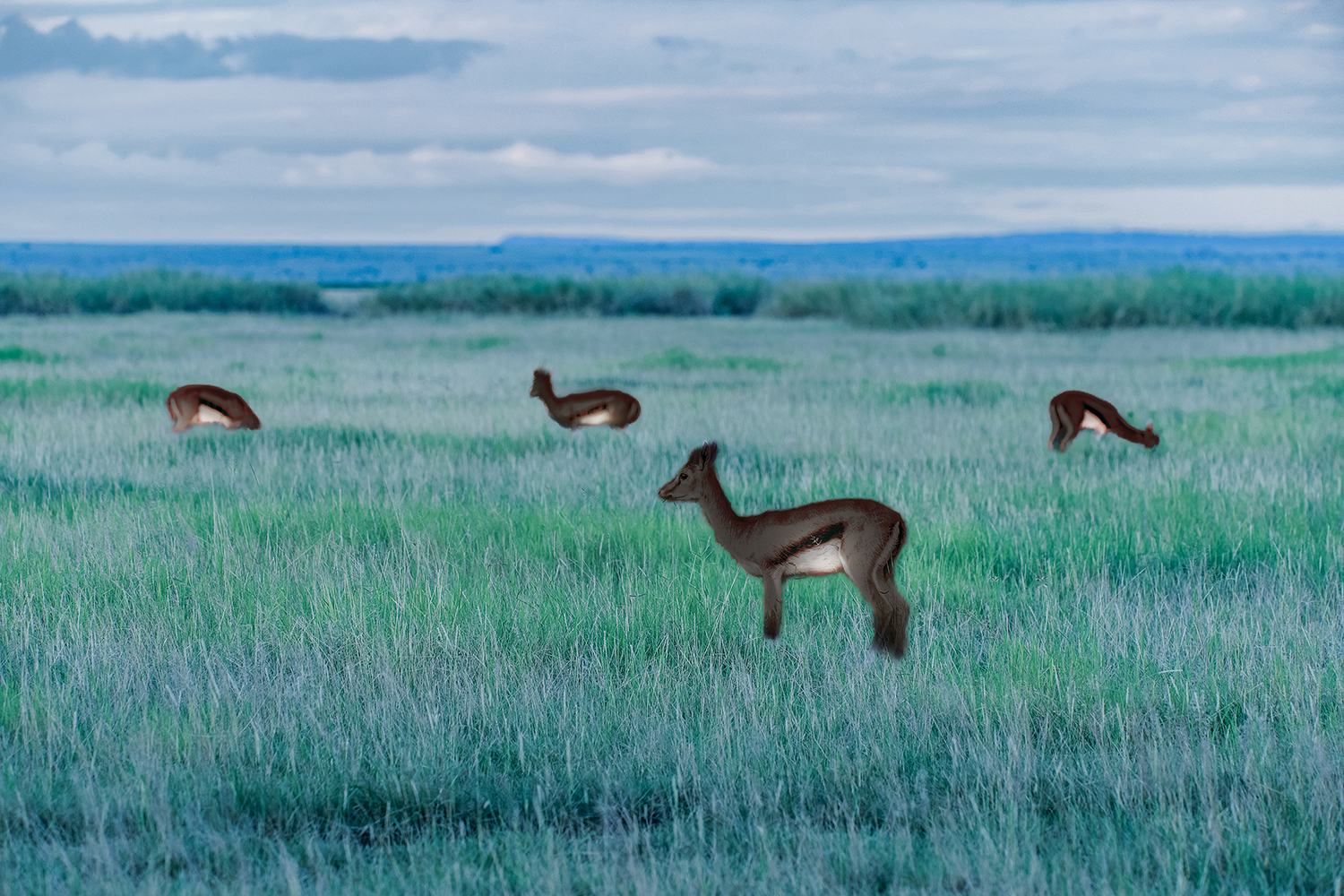
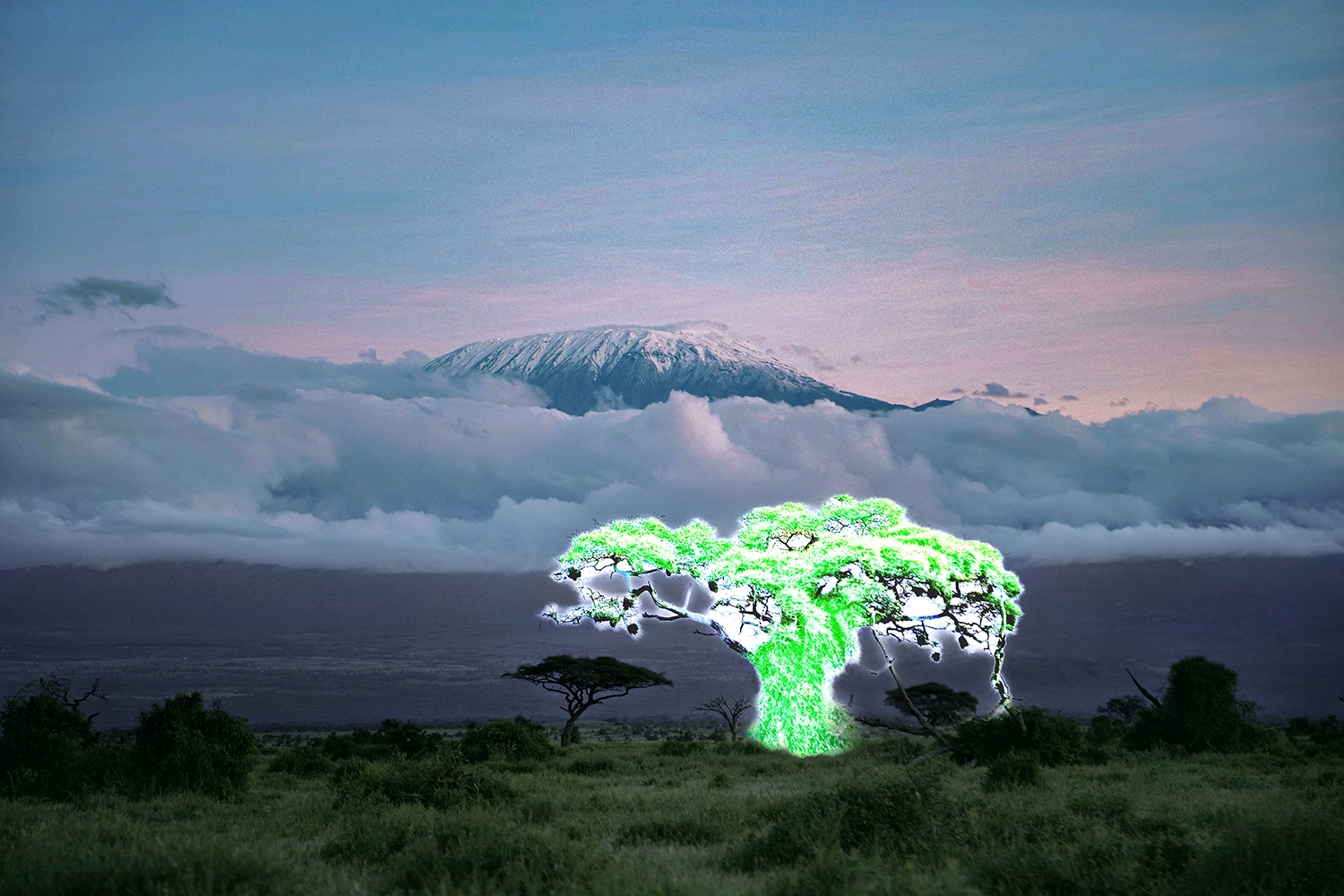
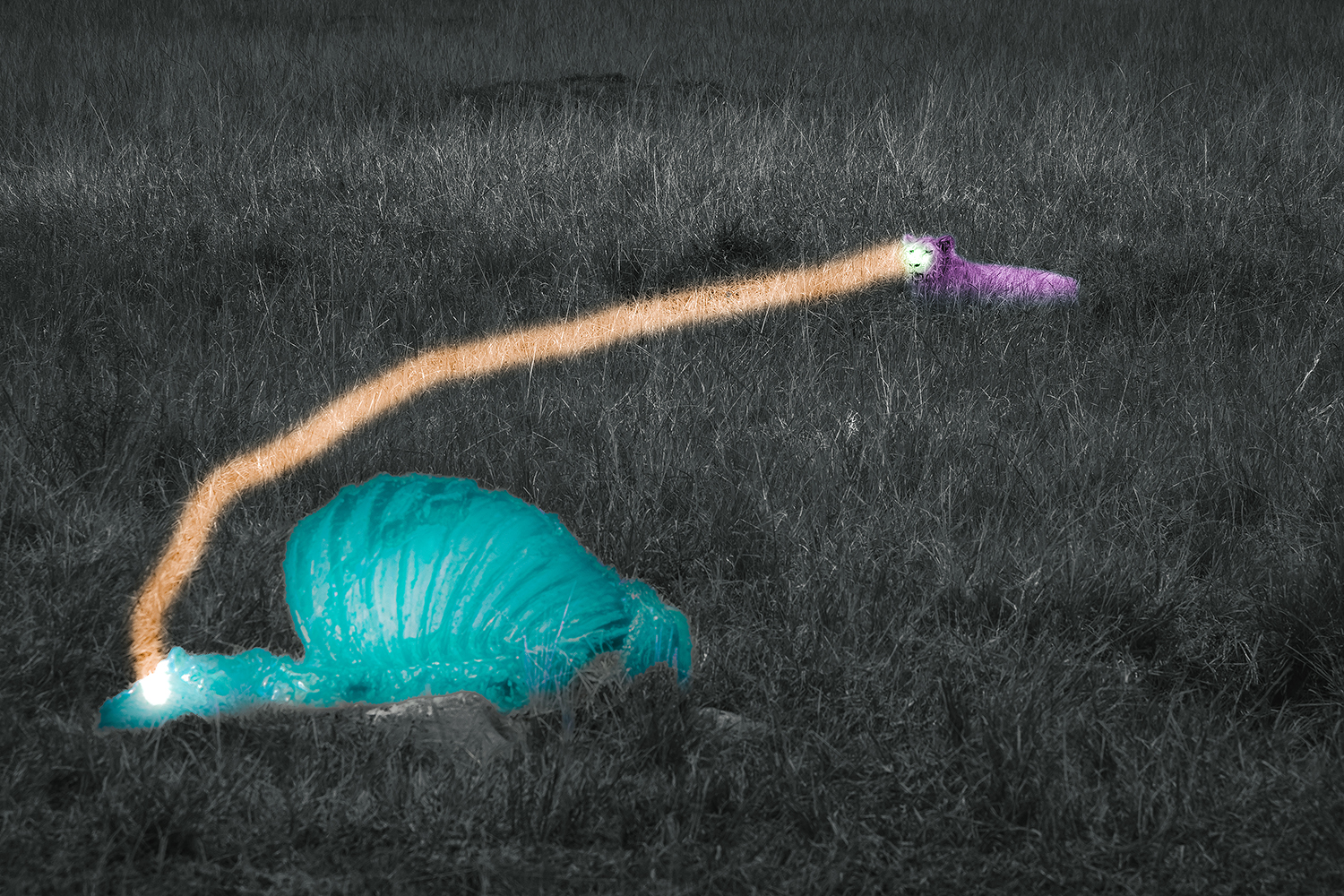
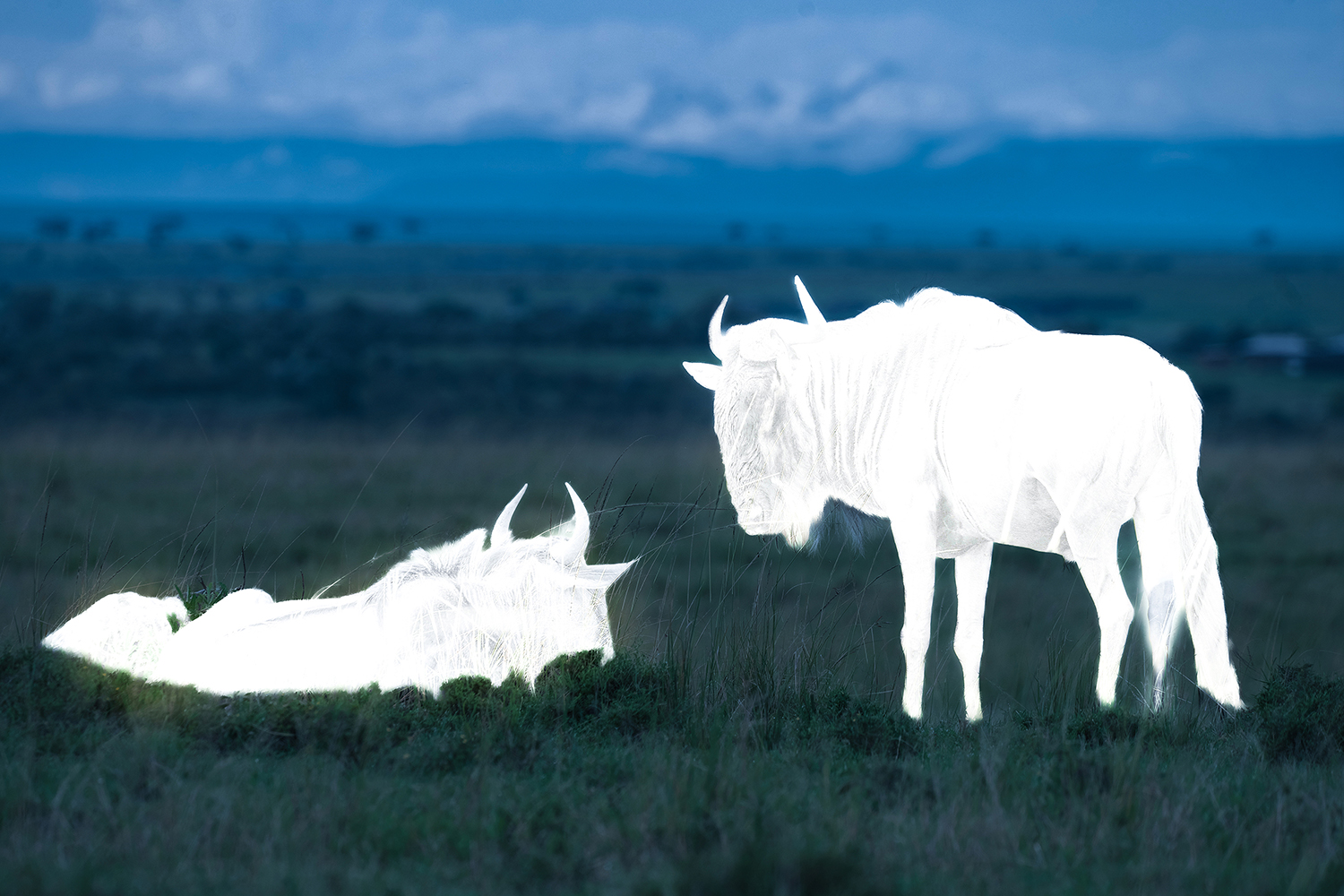
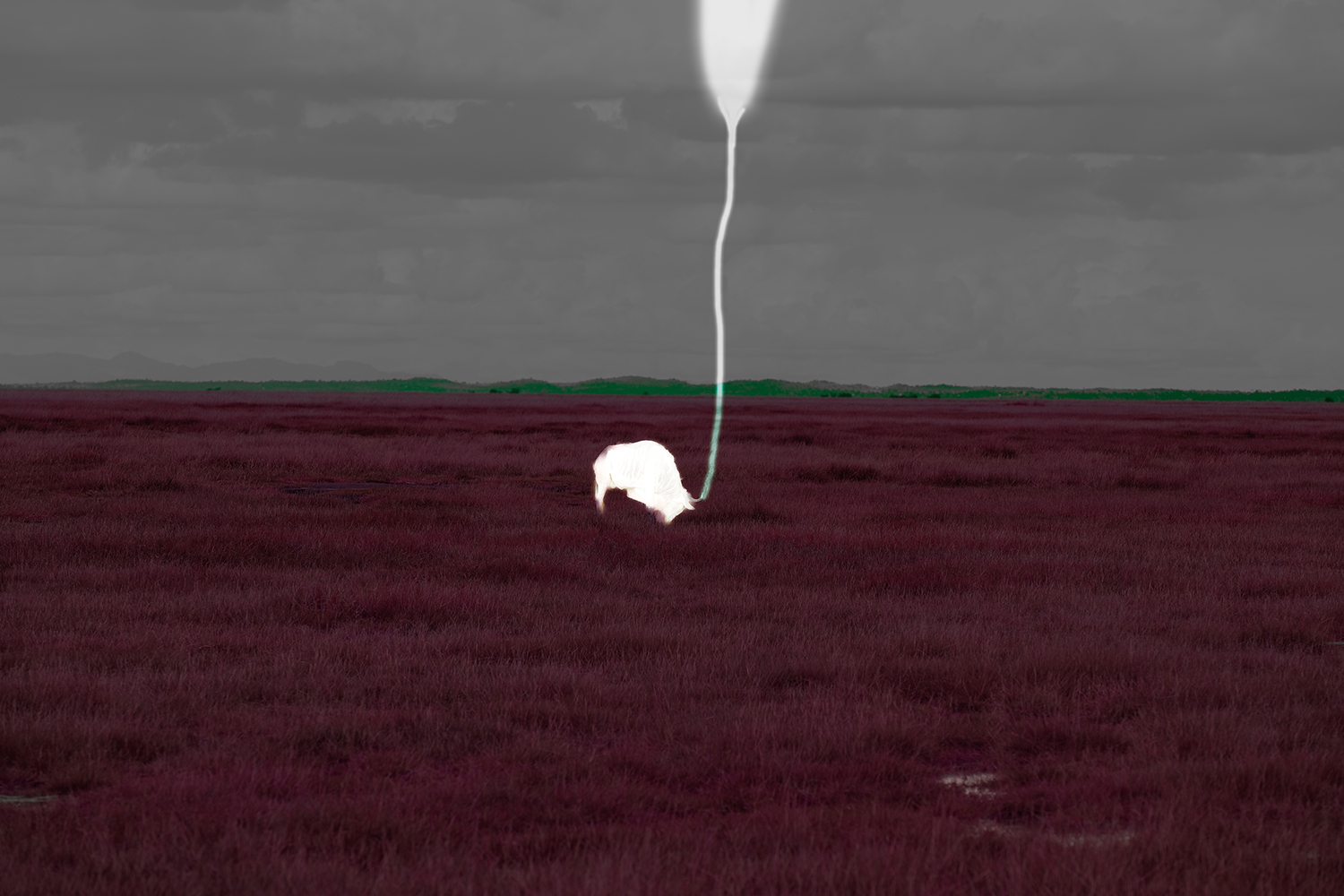
The relationship between freedom and gaze has never belonged to a single species.
When humanity defines nature in the name of civilization, nature responds to that gaze with silence.
During my exploration in Africa, I gradually realized that the hierarchical structures within animal societies bear no essential difference from the power systems of human civilization. The distinction lies only in purity — a direct and unmediated order of survival. If, in the human world, money serves as the medium that sustains freedom and mobility, then in the animal world, what sustains their “freedom” might, paradoxically, be humanity itself — as observer, controller, and the author of their narrative. I, too, have become both the observer and the narrator.
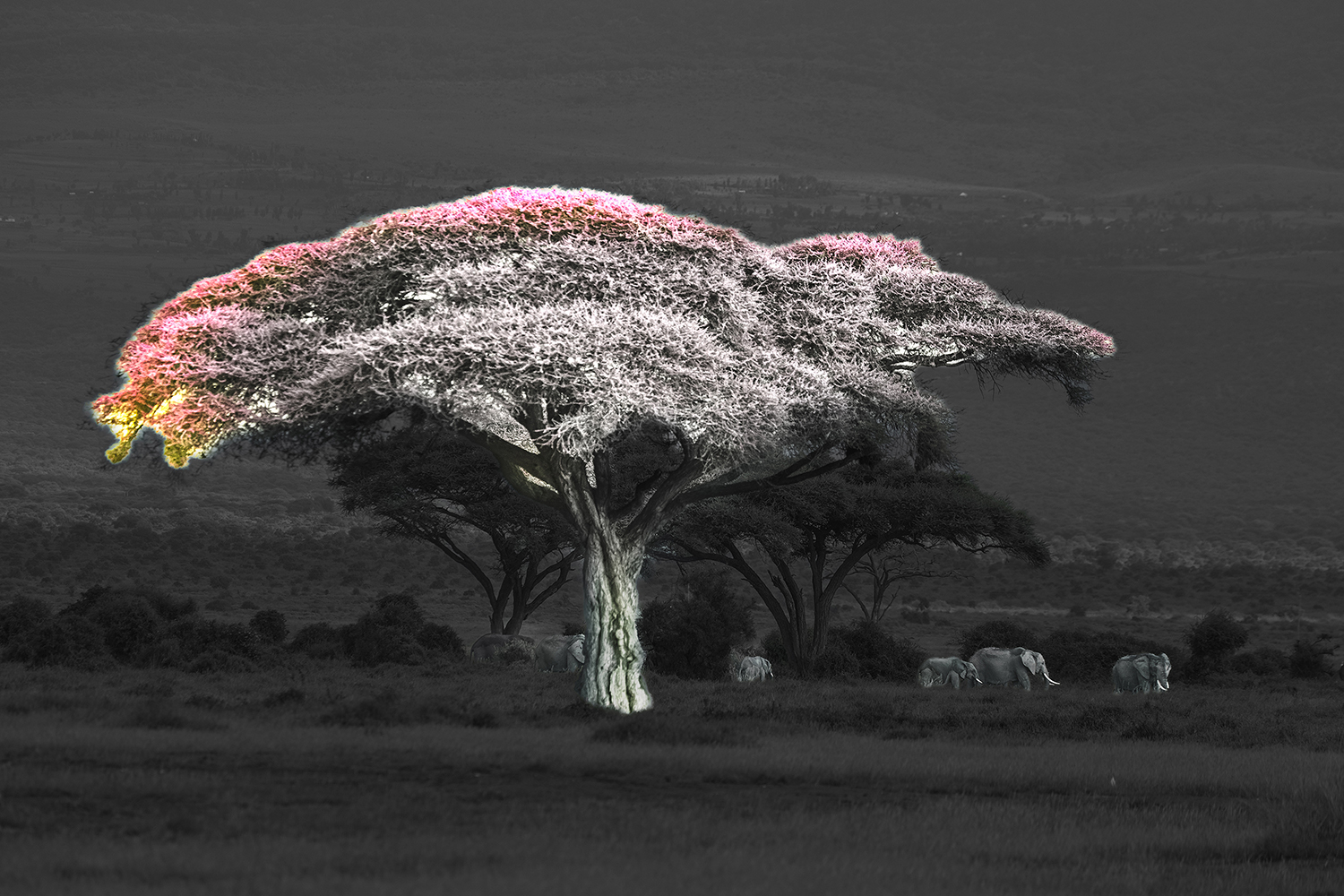
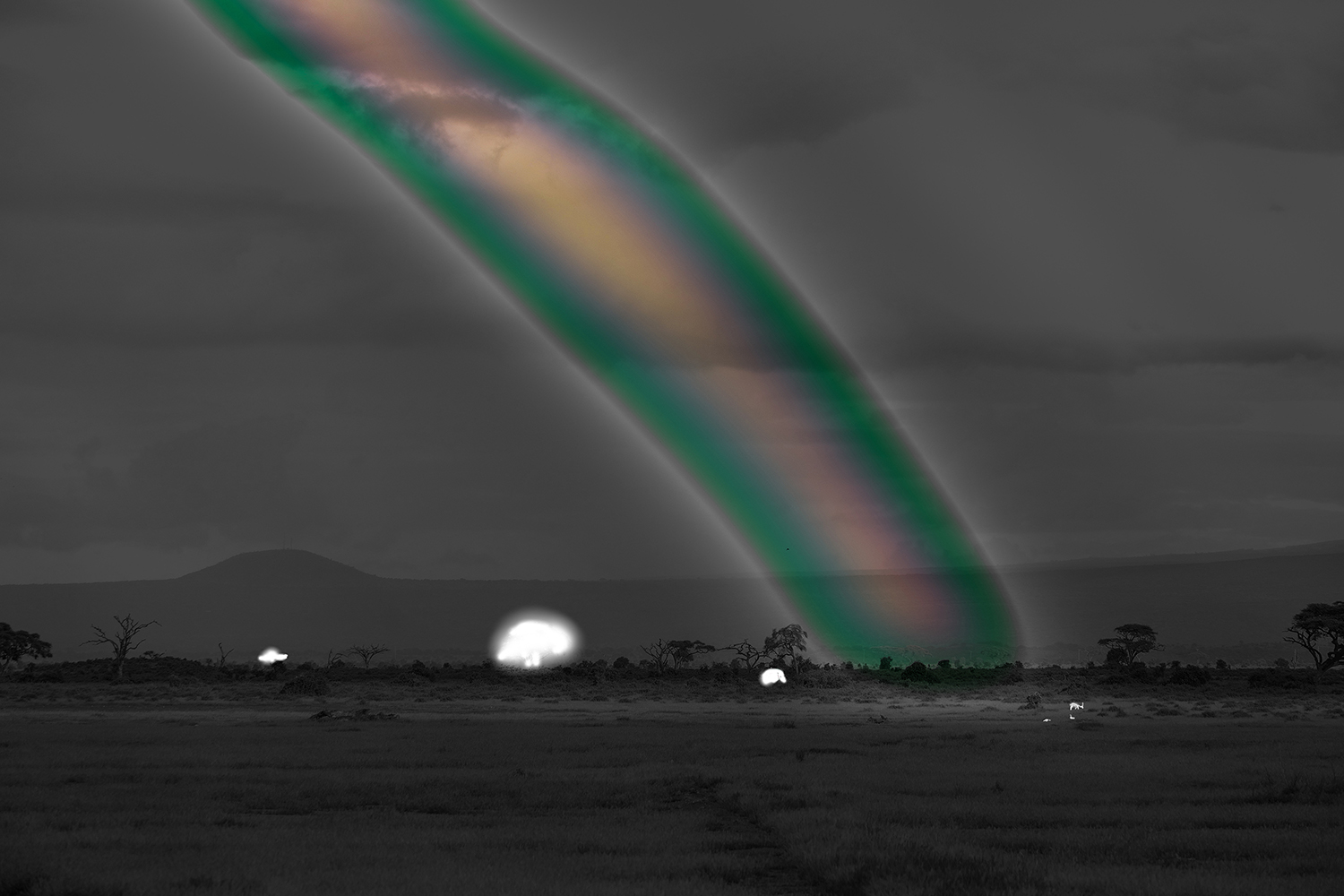
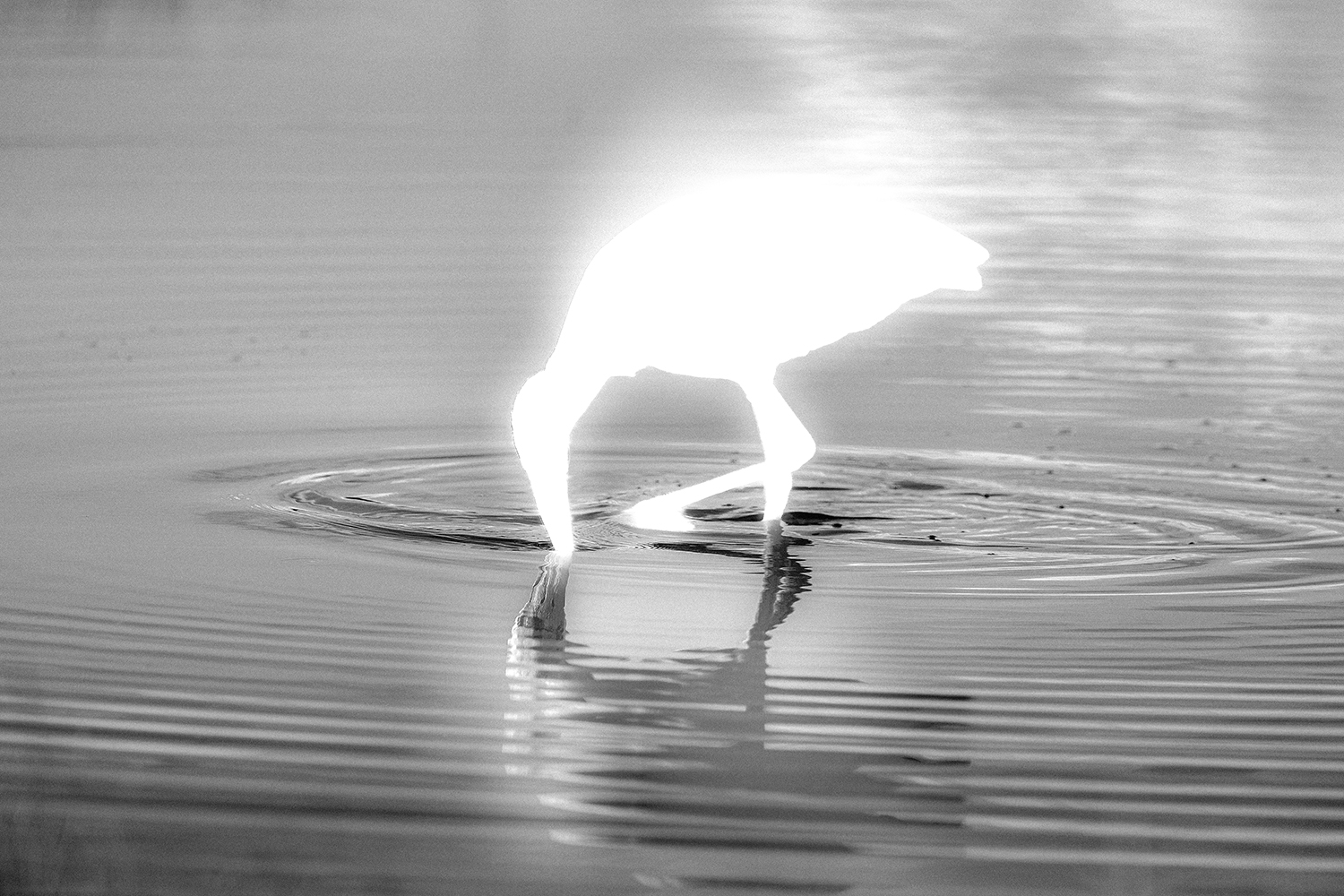
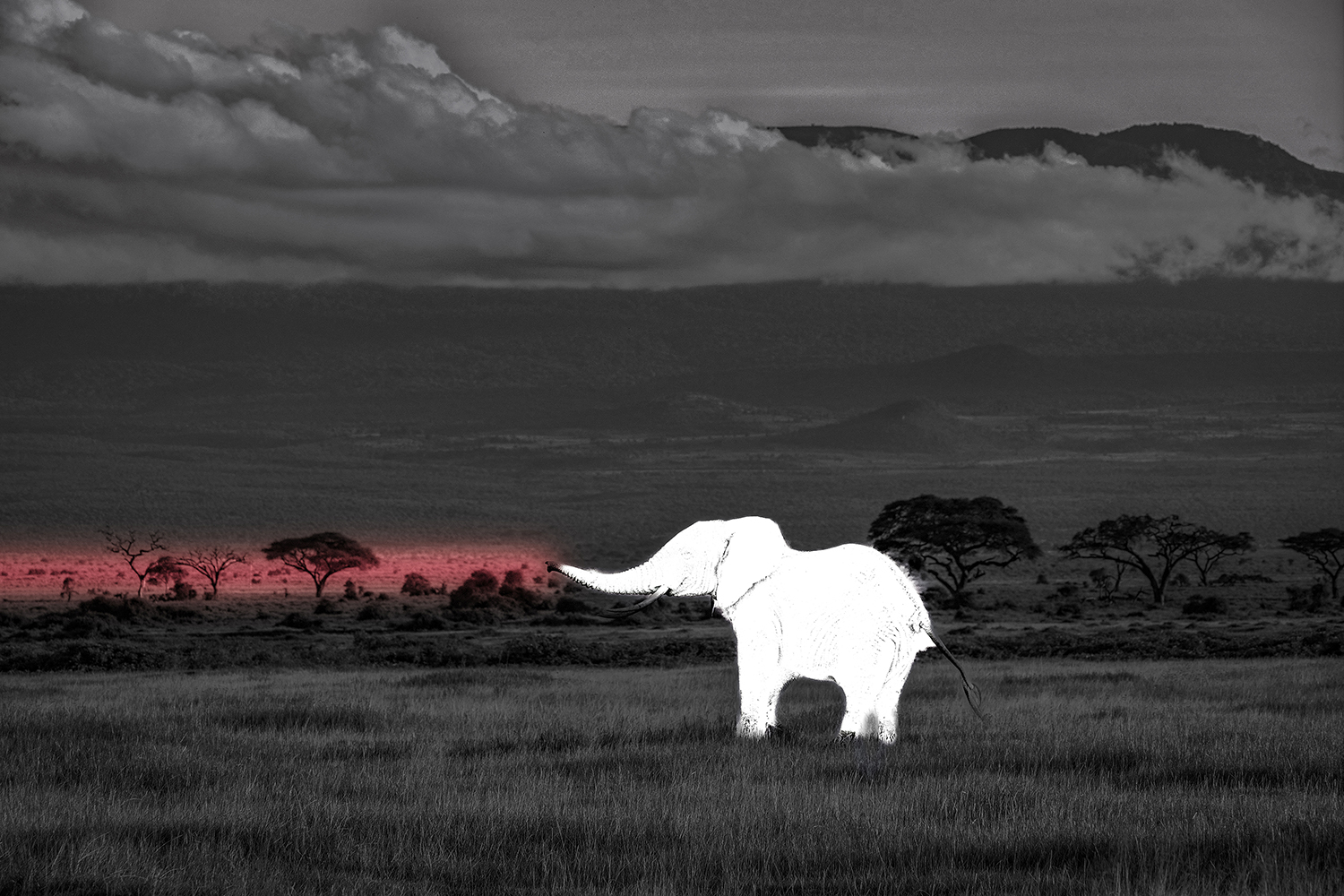
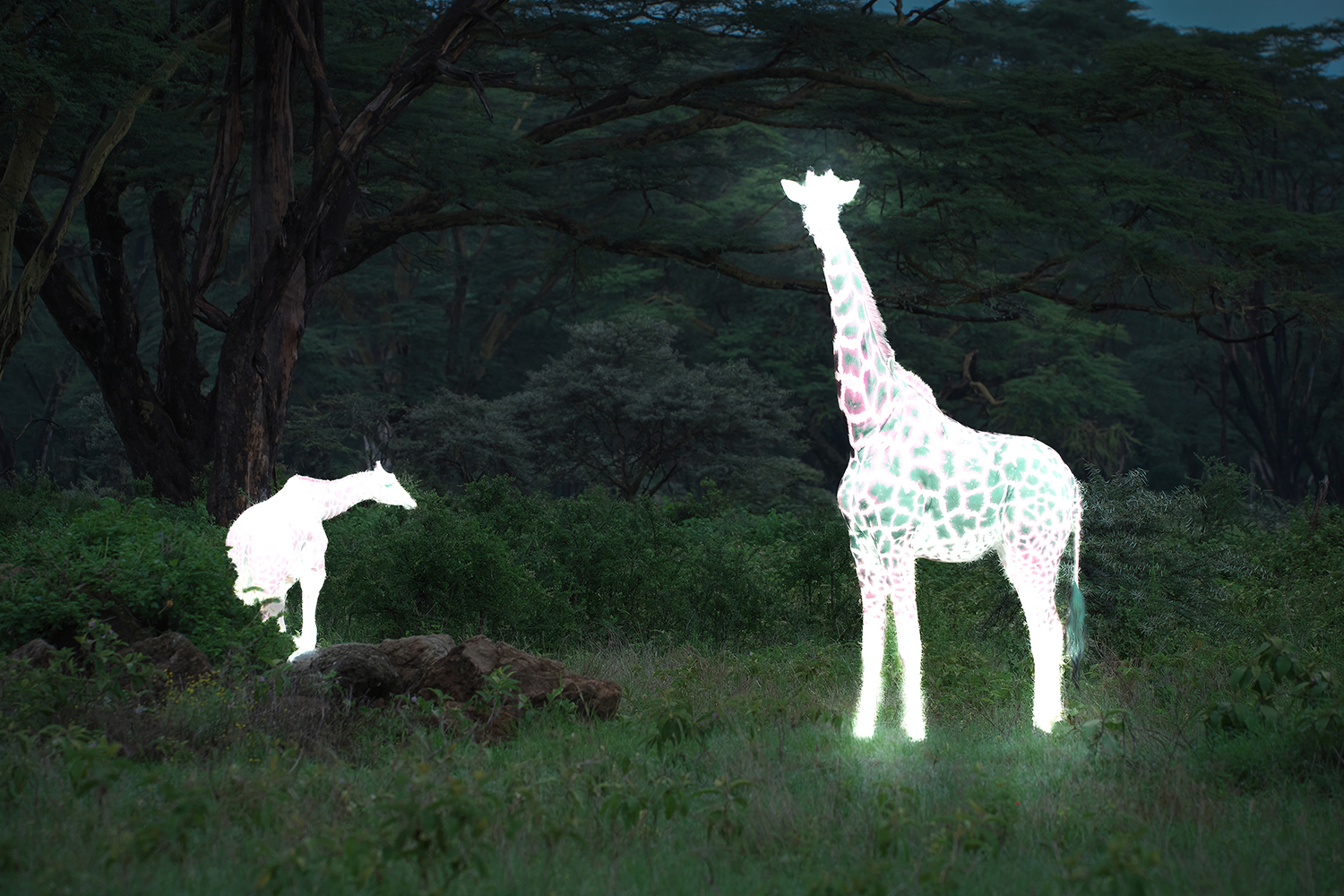
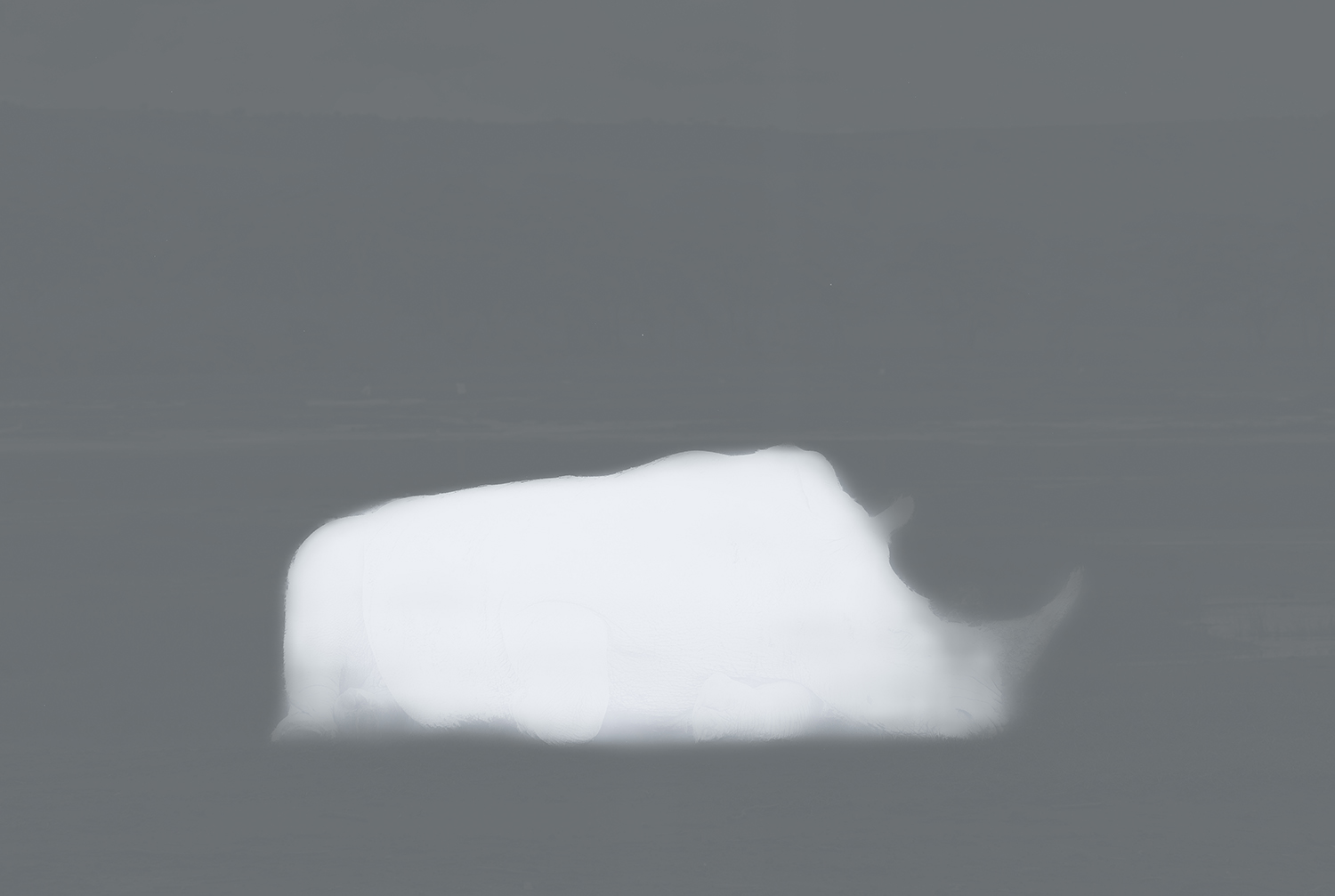
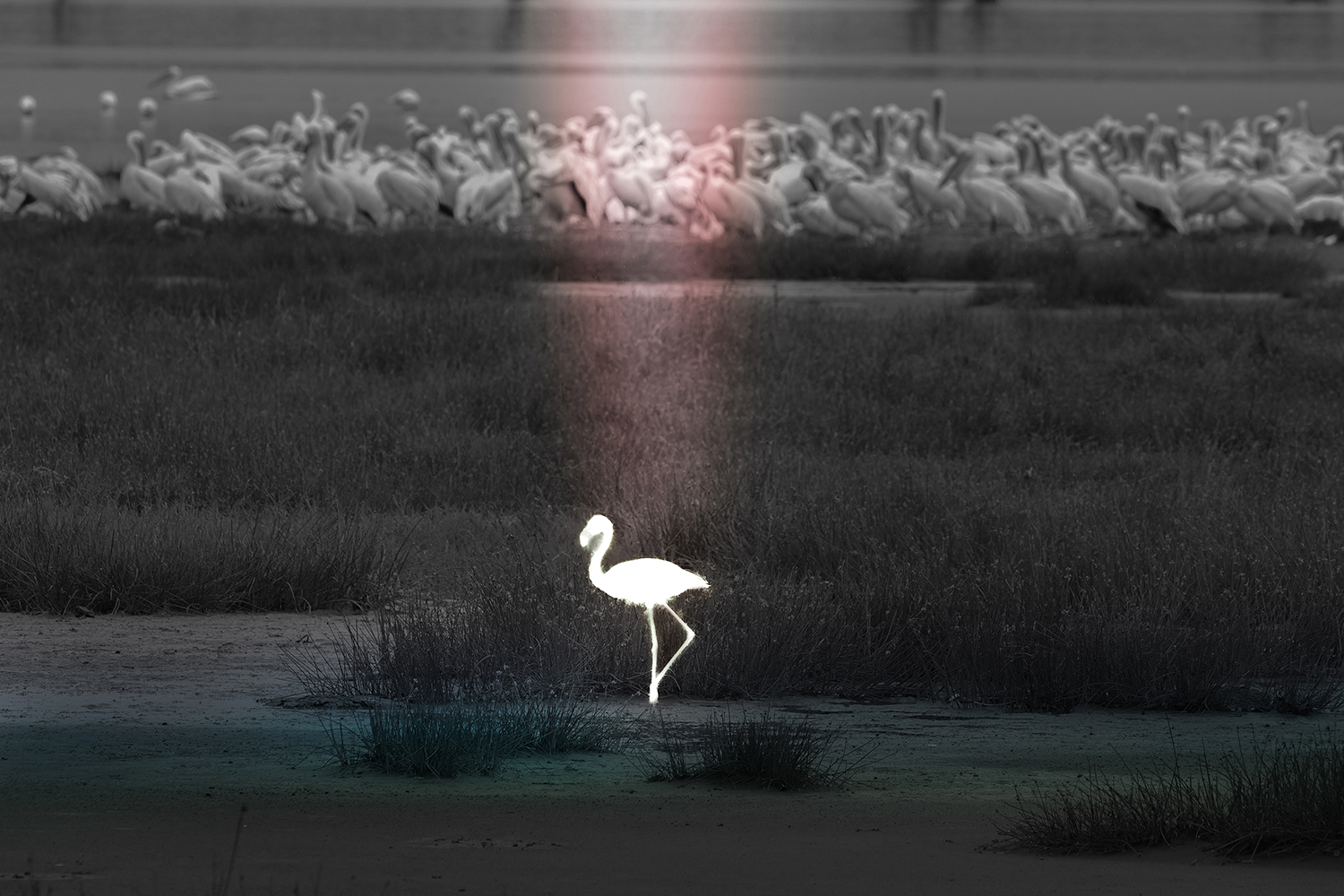
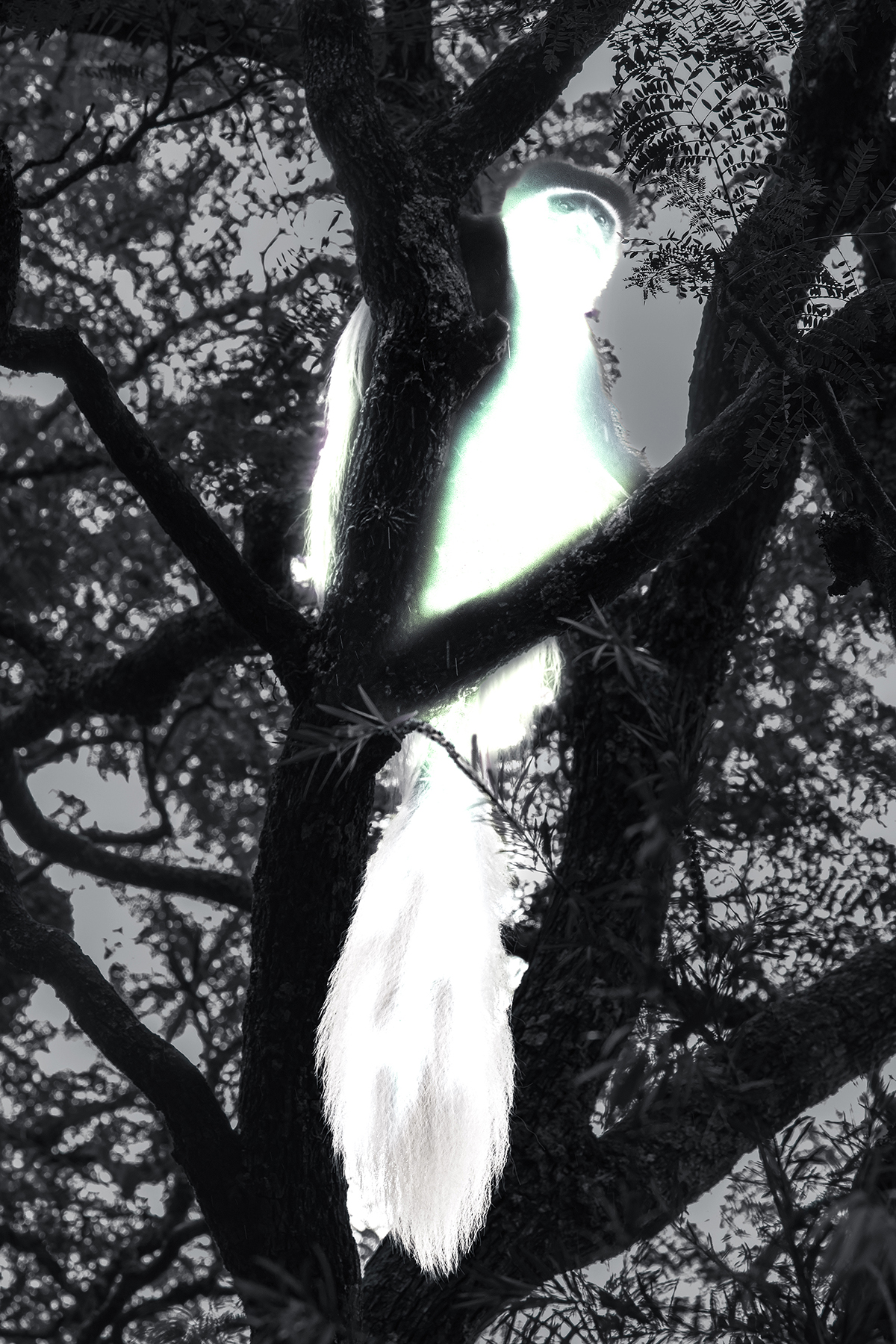
As night descends, the world of animals transforms into a distorted zoo. The order of daylight dissolves into darkness; within the realm of dreams, they begin to regenerate — composing their own sequences of existence, articulating another form of self-narration. The iridescent lights that pierce through their bodies symbolize an attempt to reclaim subjectivity from within the condition of being watched.
Distorted Zoo is not a representation of nature, but a metaphorical inquiry into power, gaze, and freedom. Through the reconfiguration of animal imagery, the work exposes the contradictions embedded in human perception: in constructing the image of nature under the guise of civilization, we simultaneously dismantle the boundaries of our own being.
Within this “zoo,” the relationship between humans and animals is refracted.
Freedom becomes a spectacle of observation, while the gaze itself unfolds as a gentle yet persistent form of violence.