
Archive for 2025年10月
-
 p1063572-art
 -
 p1063586-art
 -
 p1063686-art
 -
 p1063809-art-2
 -
 p1063831-art-done
 -
 p1063870-1-art
 -
 p1075035-art
 -
 p1076223-art
 -
 p1076545-art
 -
 p1076623-art-2
 -
 p1086719-art-1
 -
 p1087625-bw-art
 -
 p1063511-art
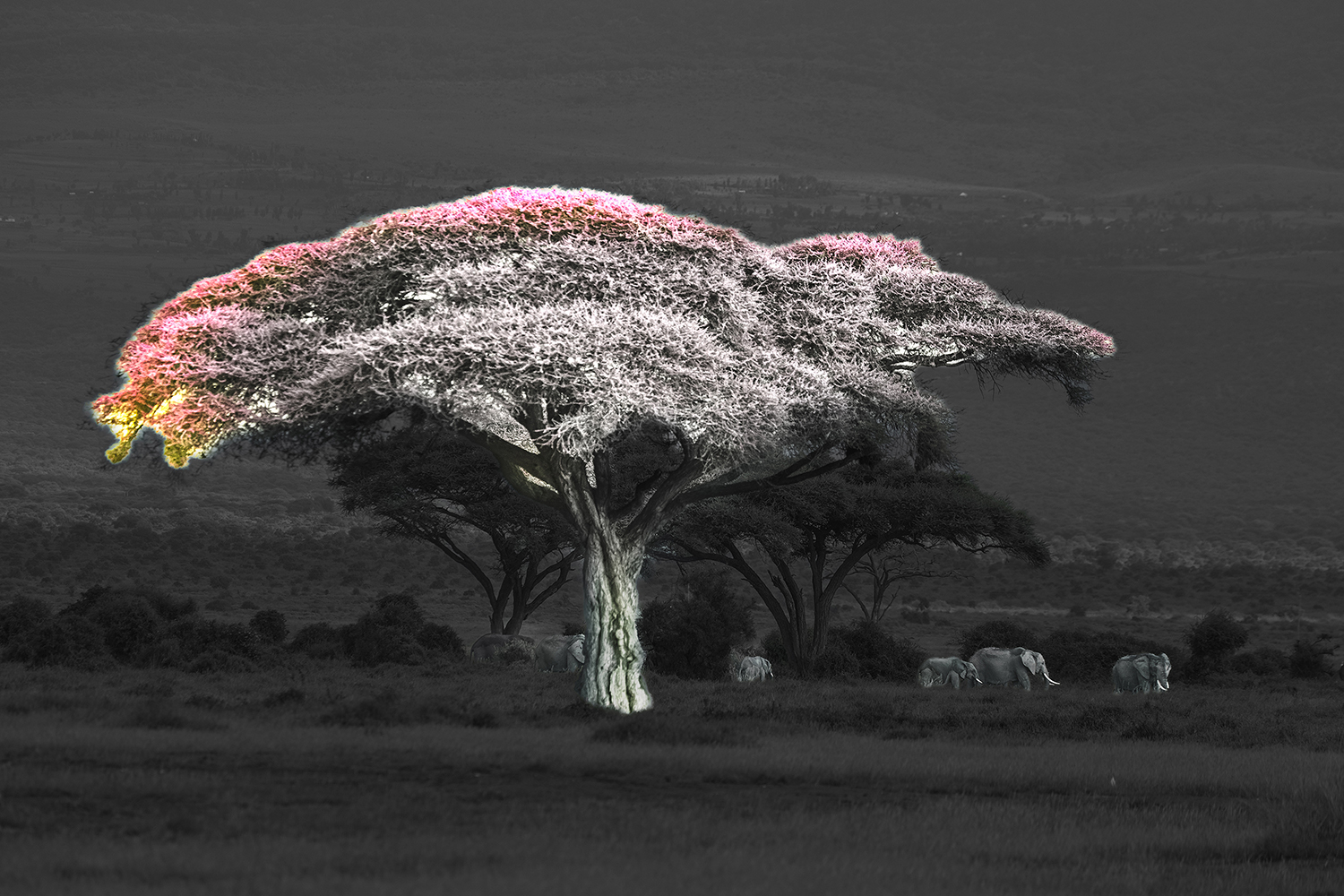
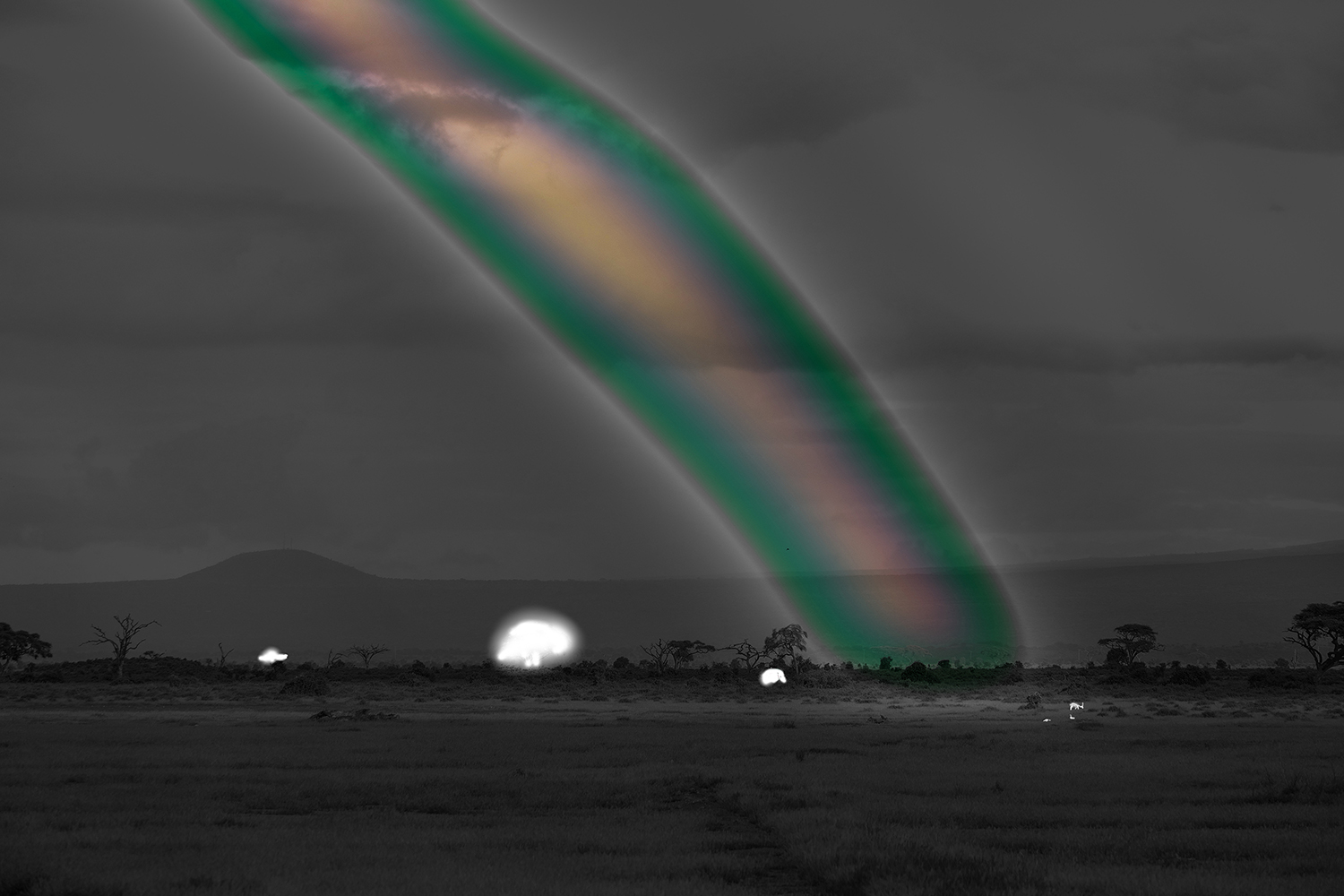
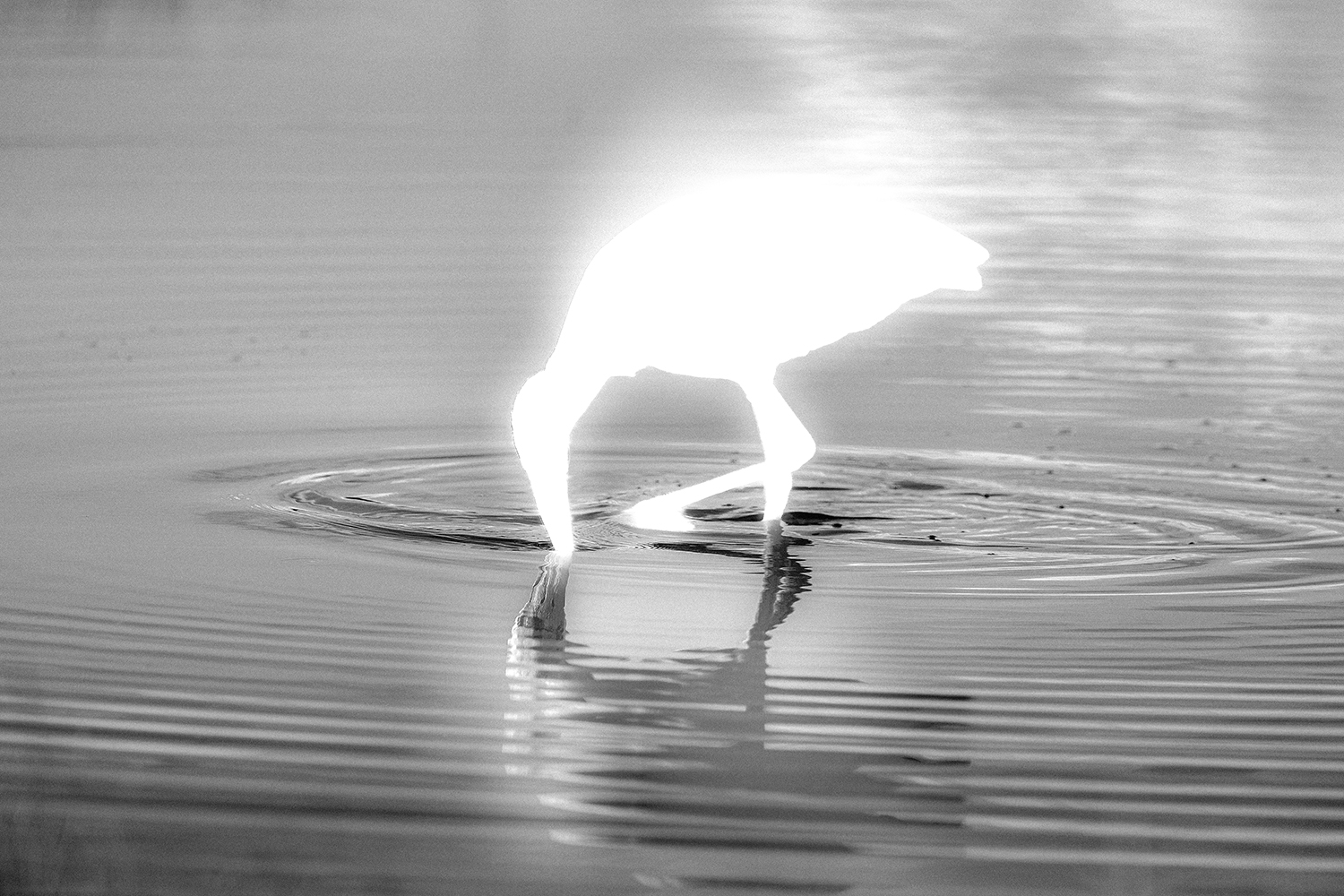
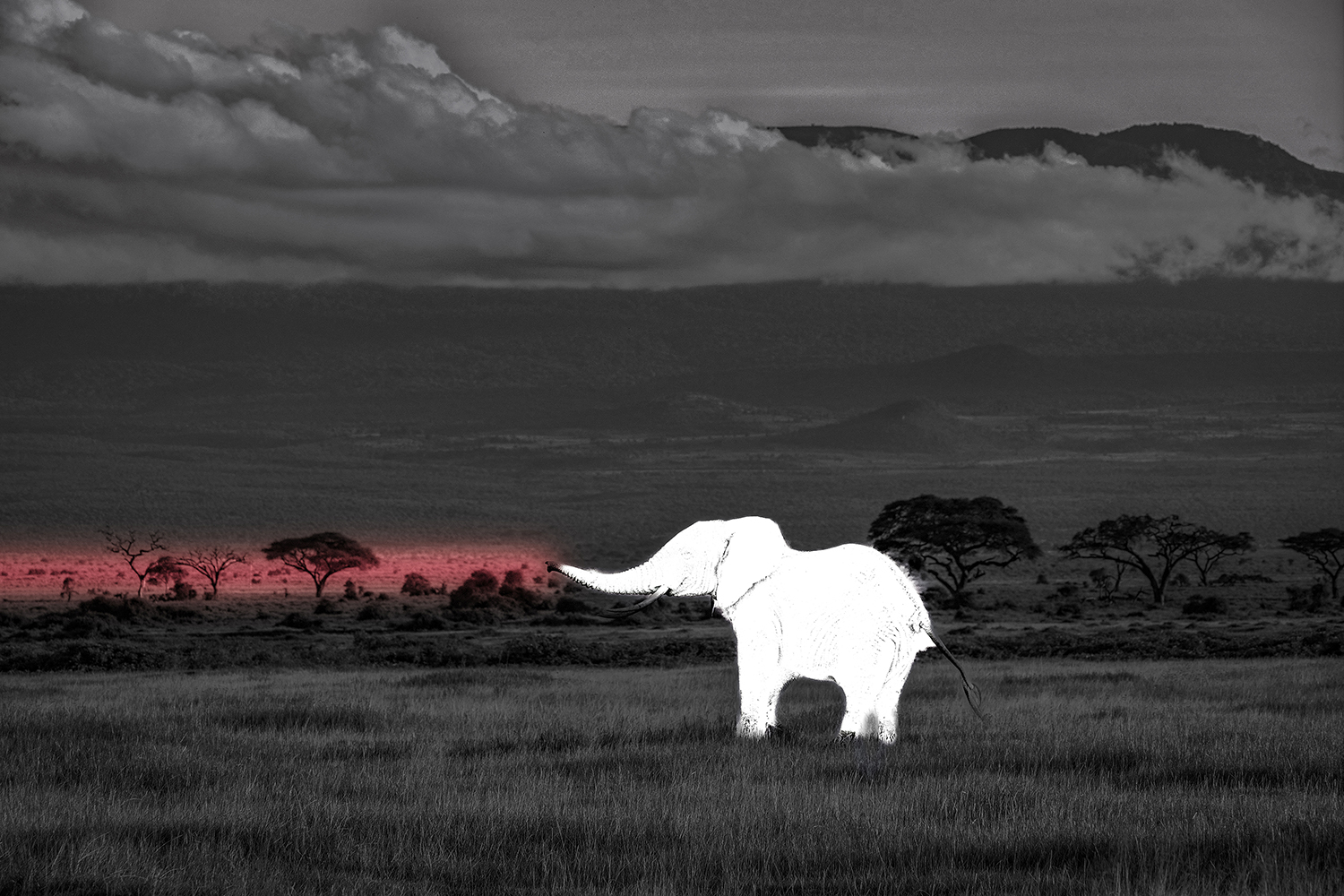
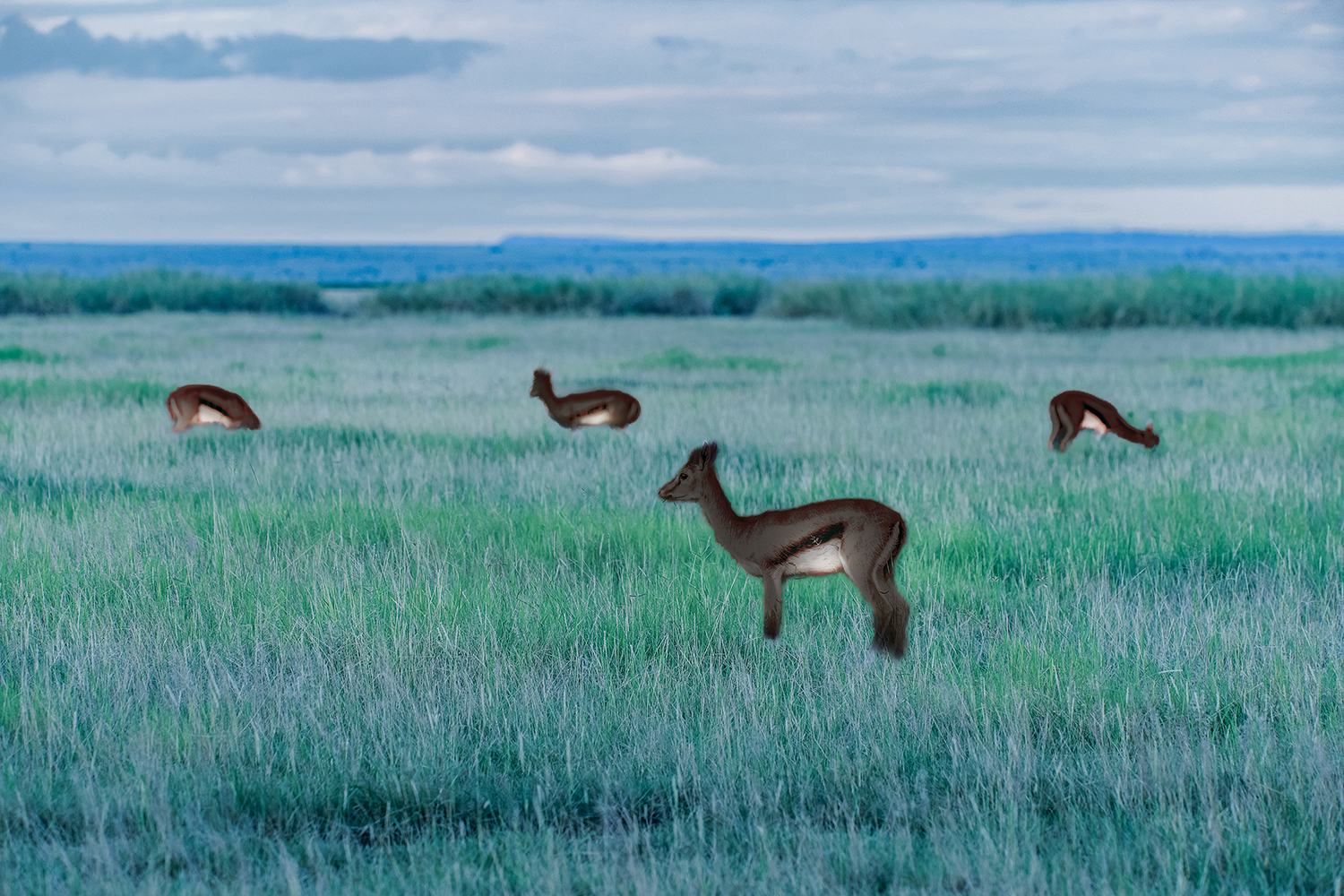
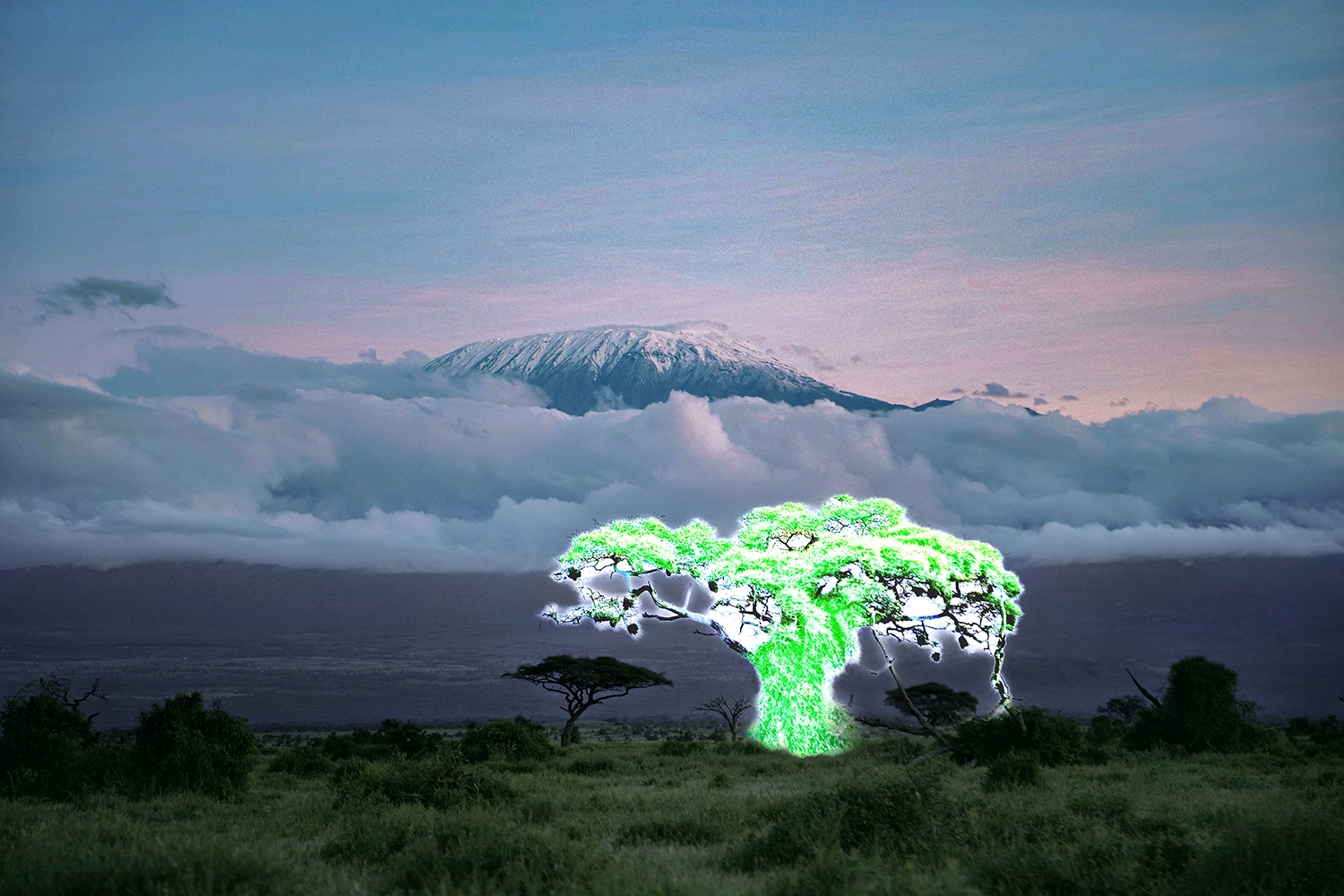
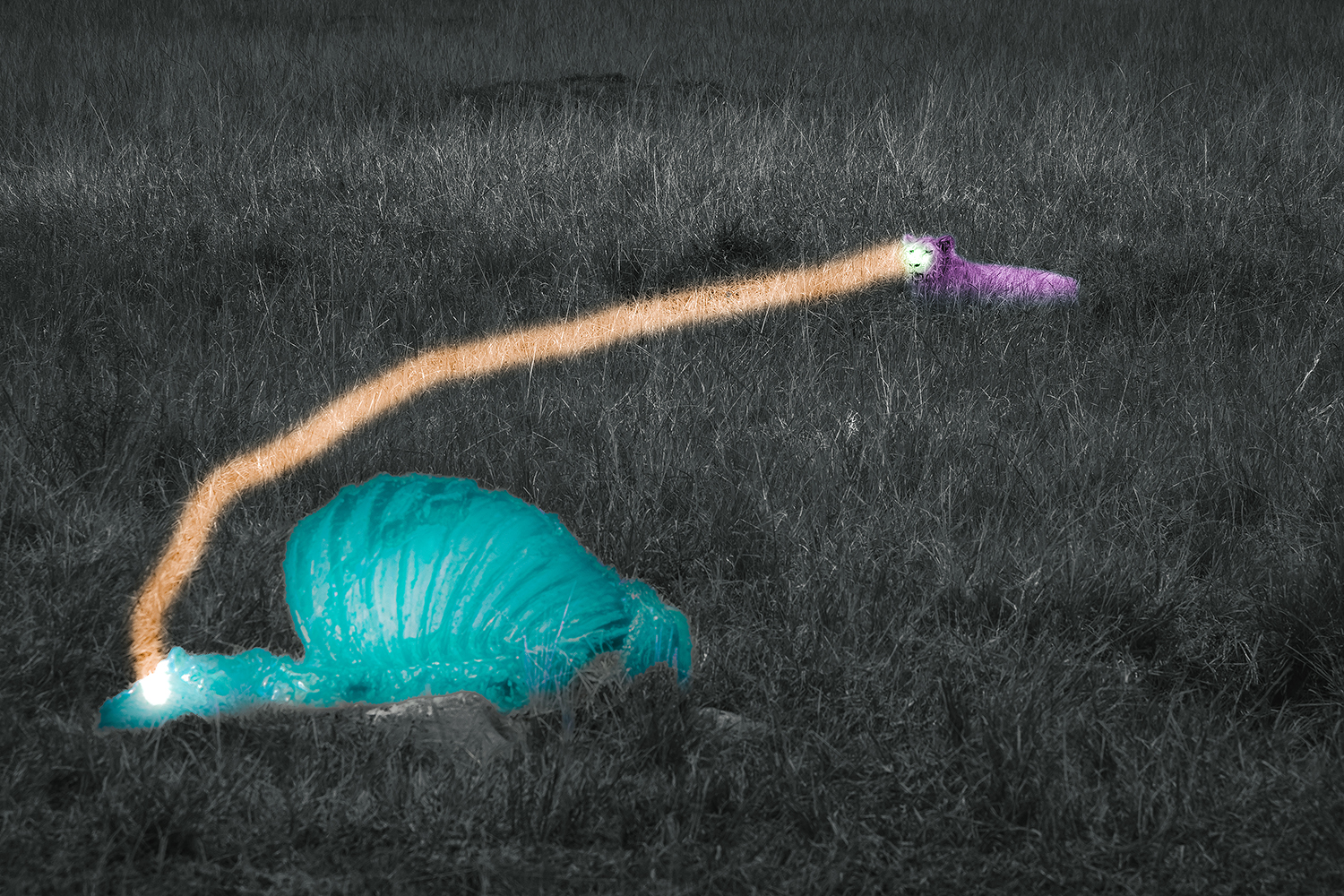
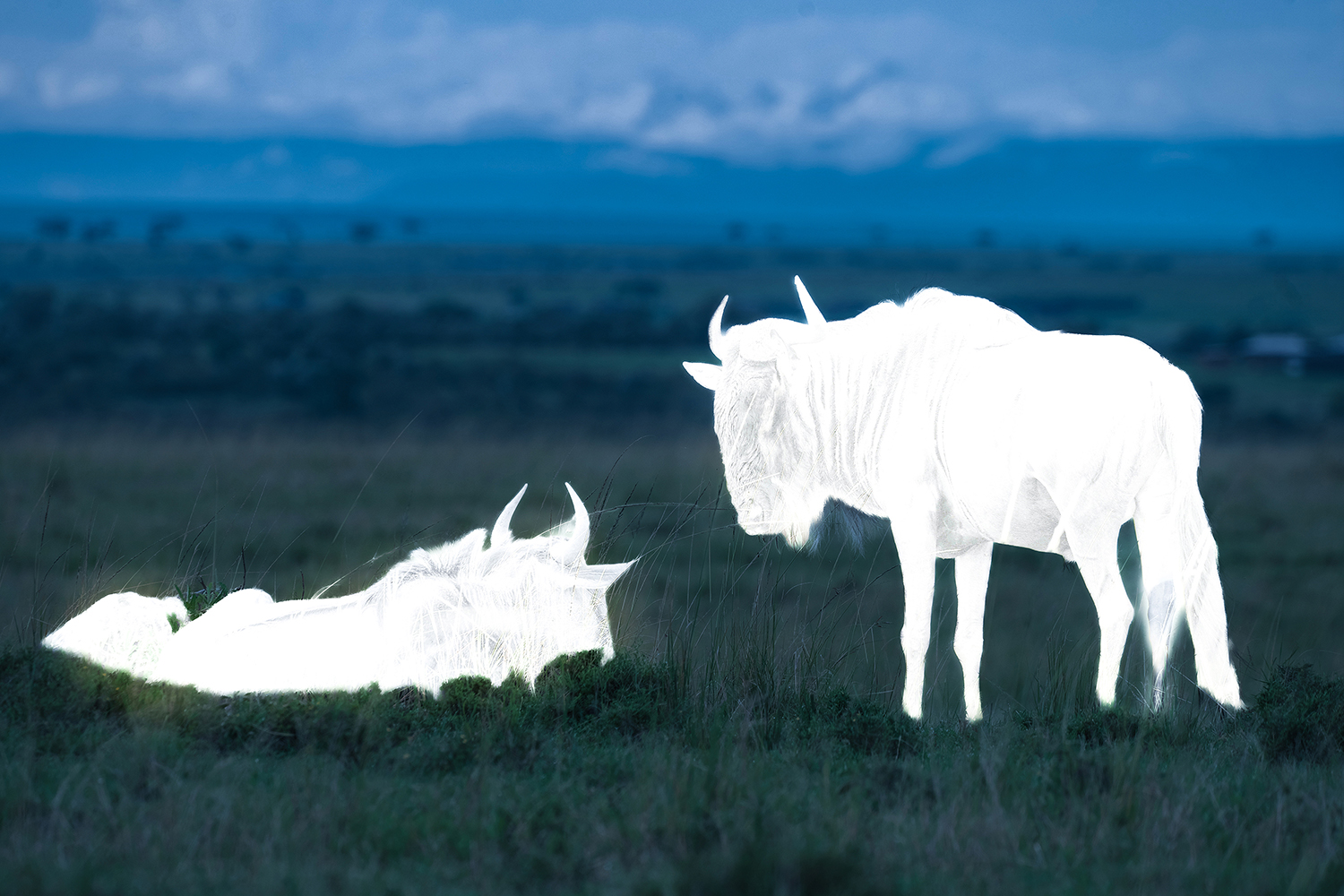
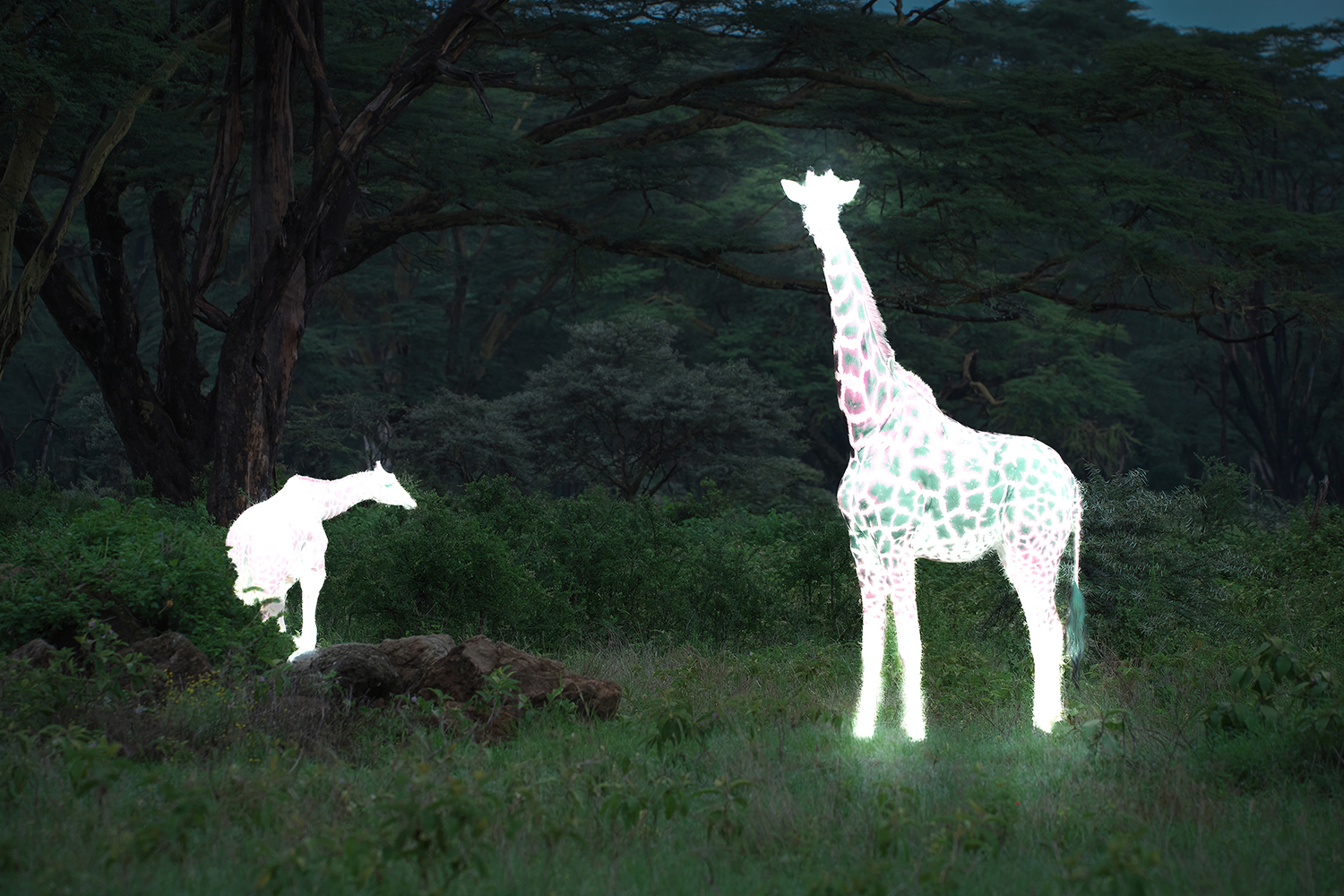
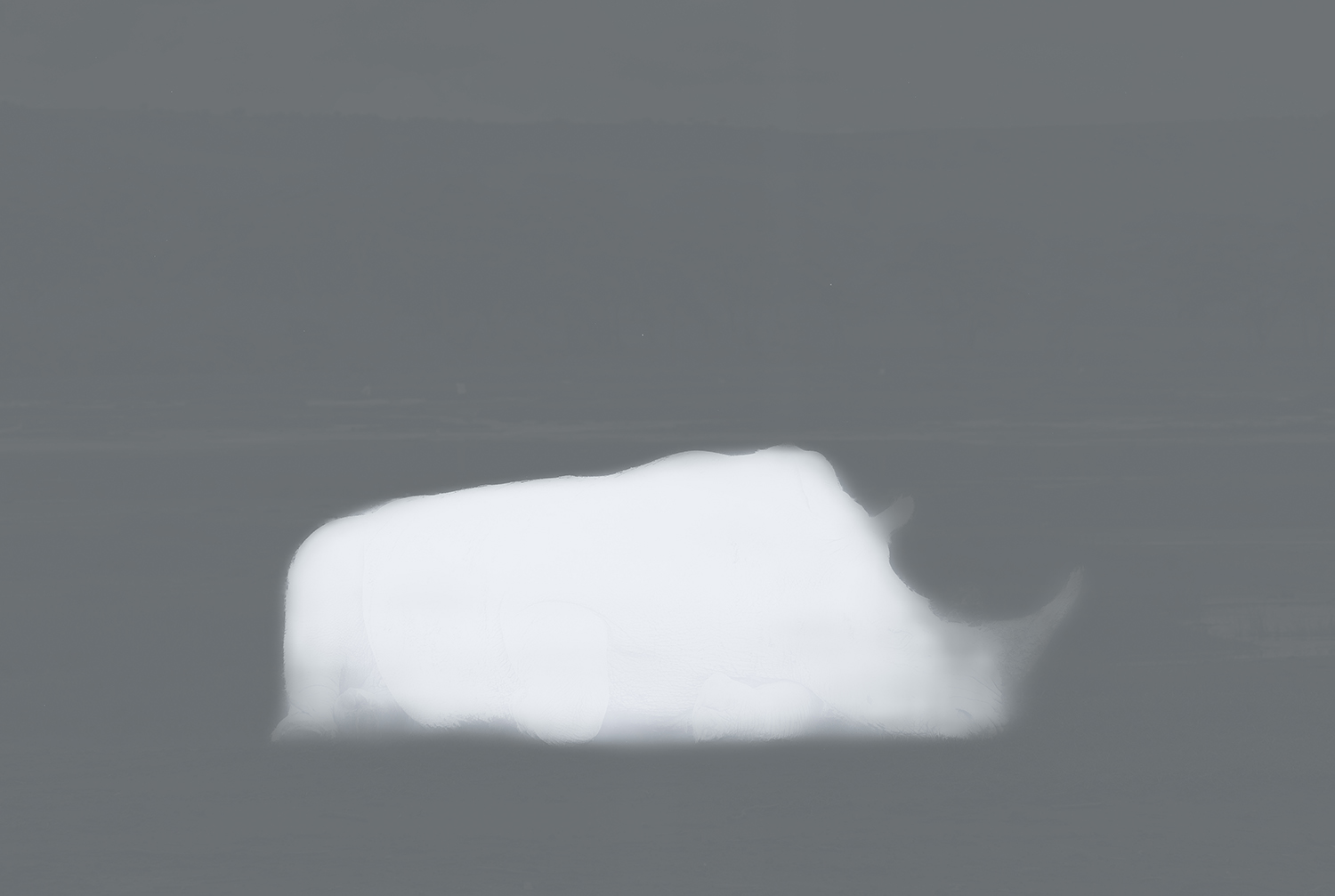
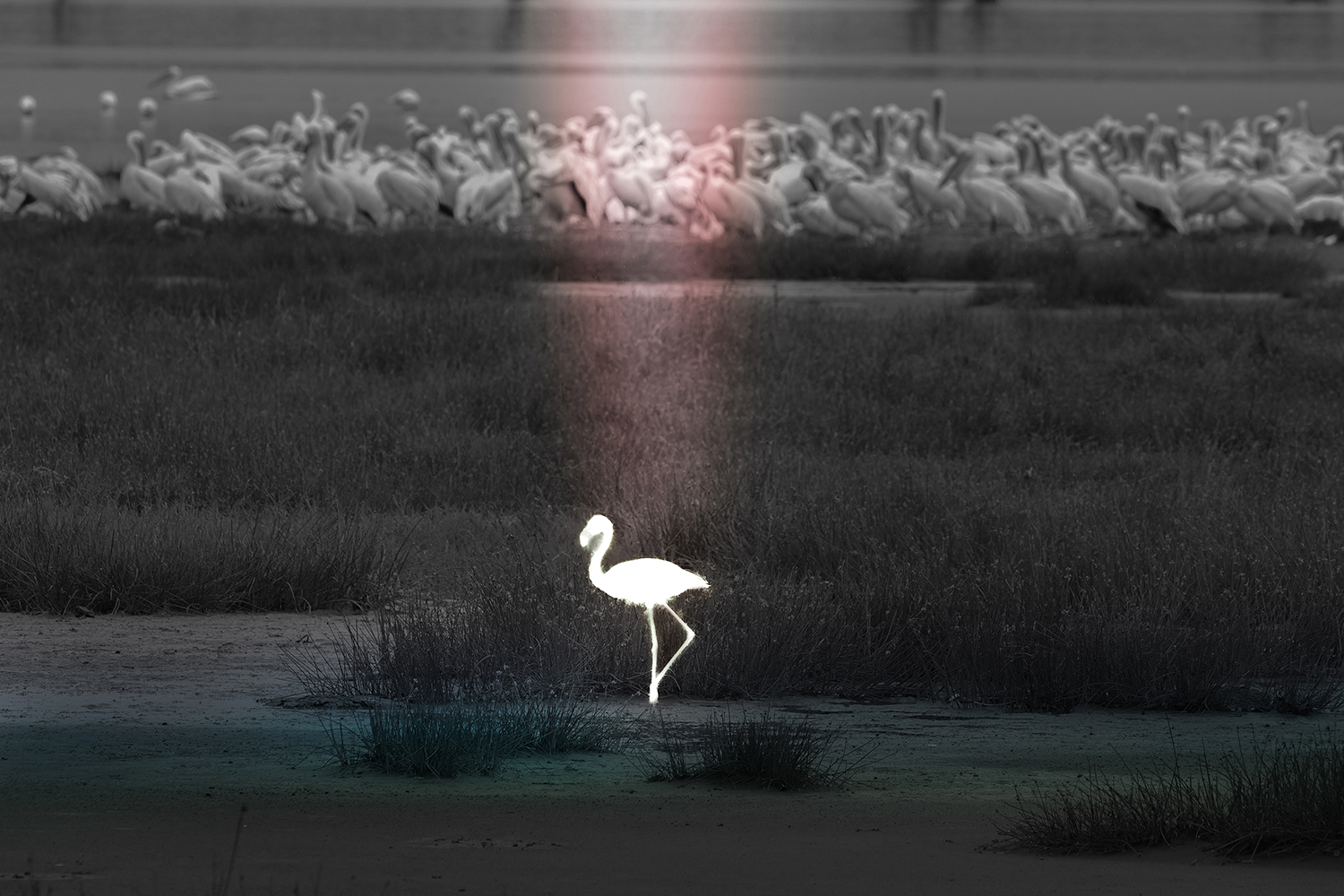
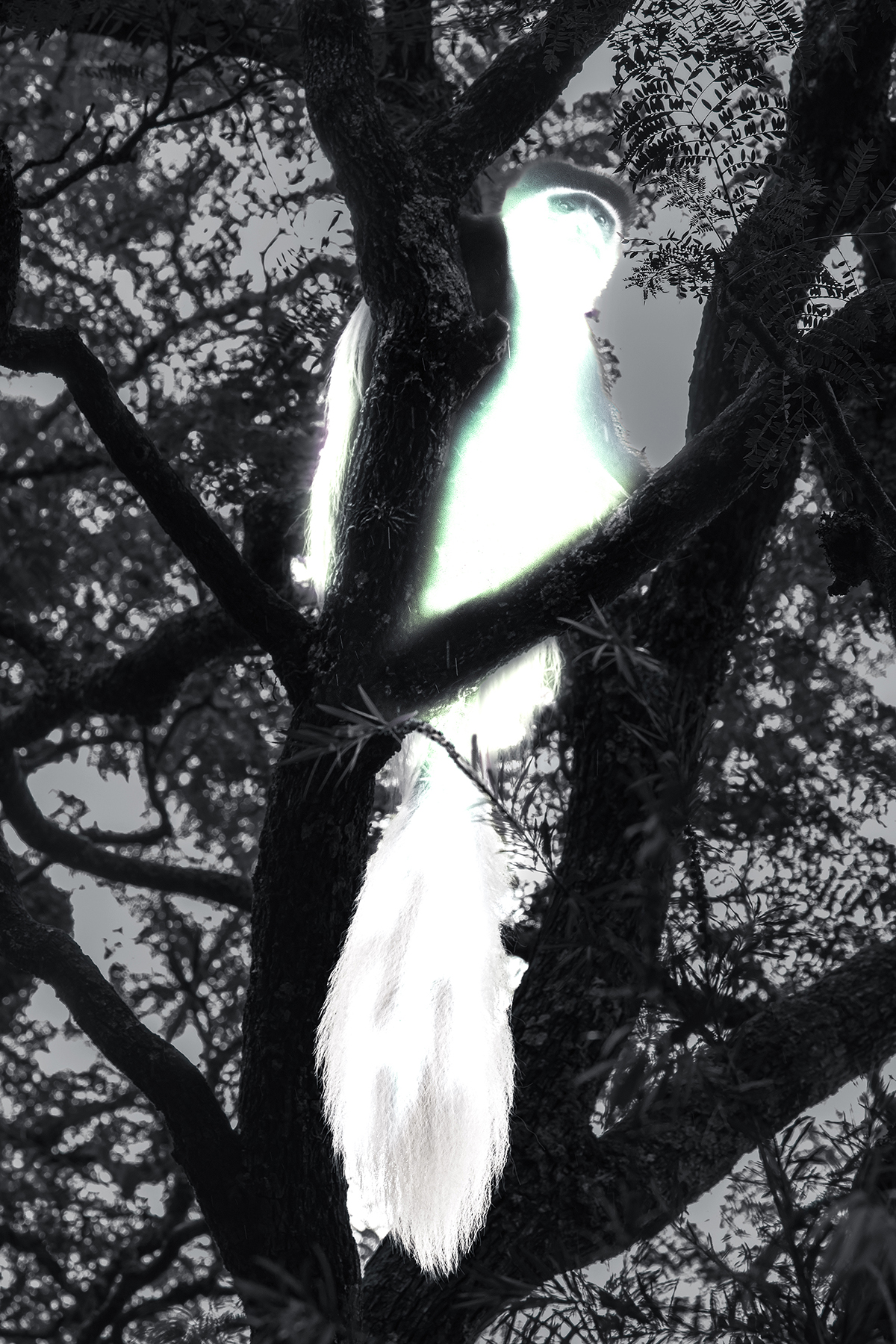
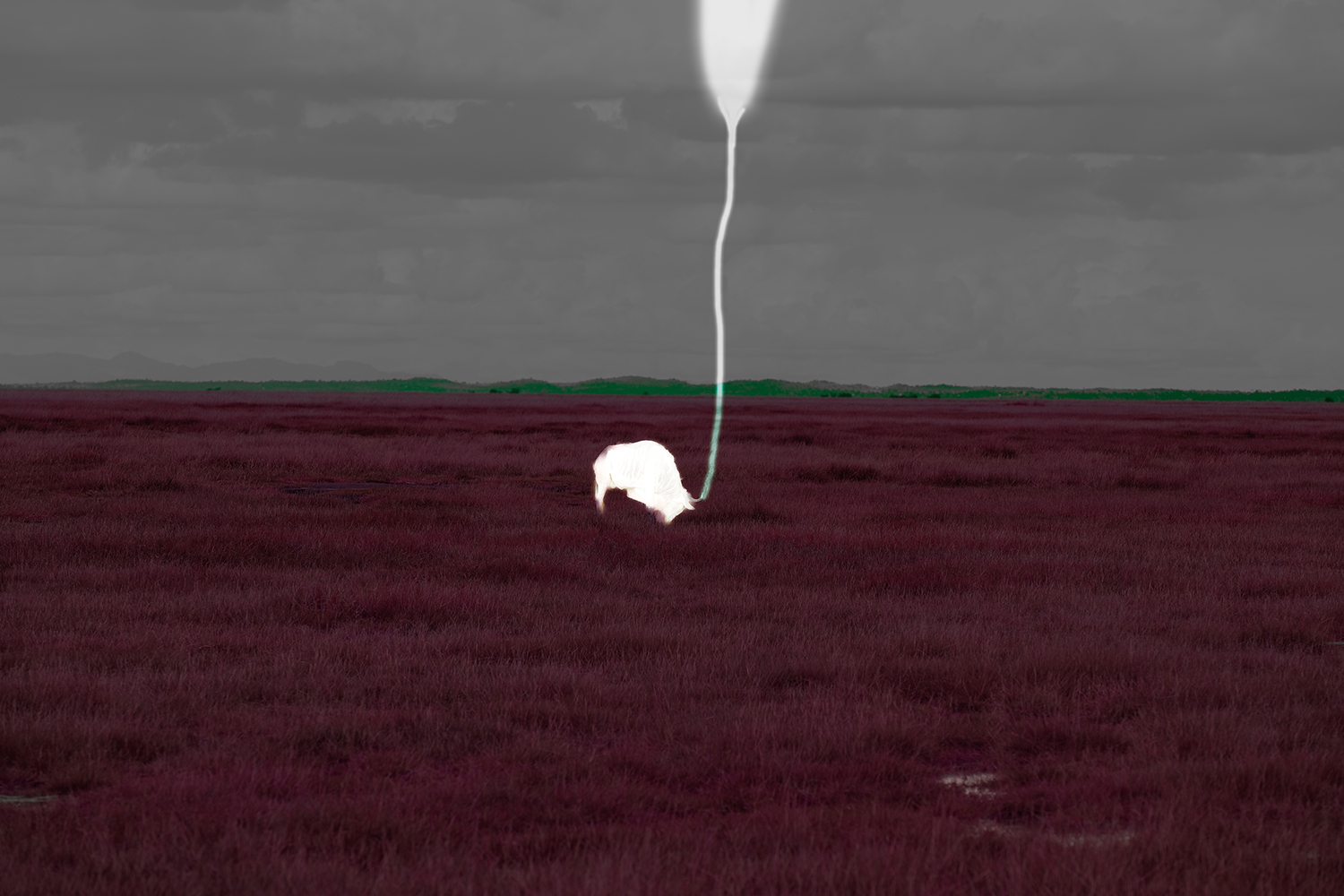
The relationship between freedom and gaze has never belonged to a single species.
When humanity defines nature in the name of civilization, nature responds to that gaze with silence.
During my exploration in Africa, I gradually realized that the hierarchical structures within animal societies bear no essential difference from the power systems of human civilization. The distinction lies only in purity — a direct and unmediated order of survival. If, in the human world, money serves as the medium that sustains freedom and mobility, then in the animal world, what sustains their “freedom” might, paradoxically, be humanity itself — as observer, controller, and the author of their narrative. I, too, have become both the observer and the narrator.
As night descends, the world of animals transforms into a distorted zoo. The order of daylight dissolves into darkness; within the realm of dreams, they begin to regenerate — composing their own sequences of existence, articulating another form of self-narration. The iridescent lights that pierce through their bodies symbolize an attempt to reclaim subjectivity from within the condition of being watched.
Distorted Zoo is not a representation of nature, but a metaphorical inquiry into power, gaze, and freedom. Through the reconfiguration of animal imagery, the work exposes the contradictions embedded in human perception: in constructing the image of nature under the guise of civilization, we simultaneously dismantle the boundaries of our own being.
Within this “zoo,” the relationship between humans and animals is refracted.
Freedom becomes a spectacle of observation, while the gaze itself unfolds as a gentle yet persistent form of violence.
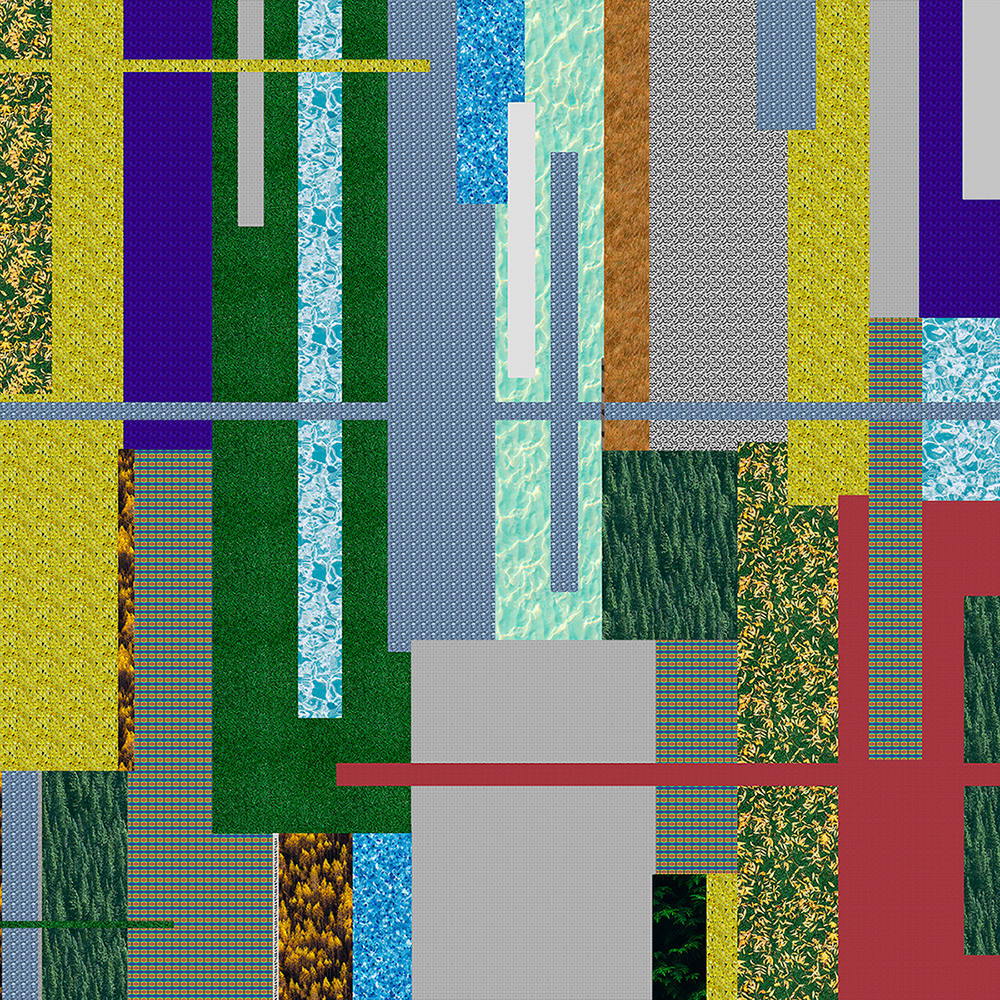
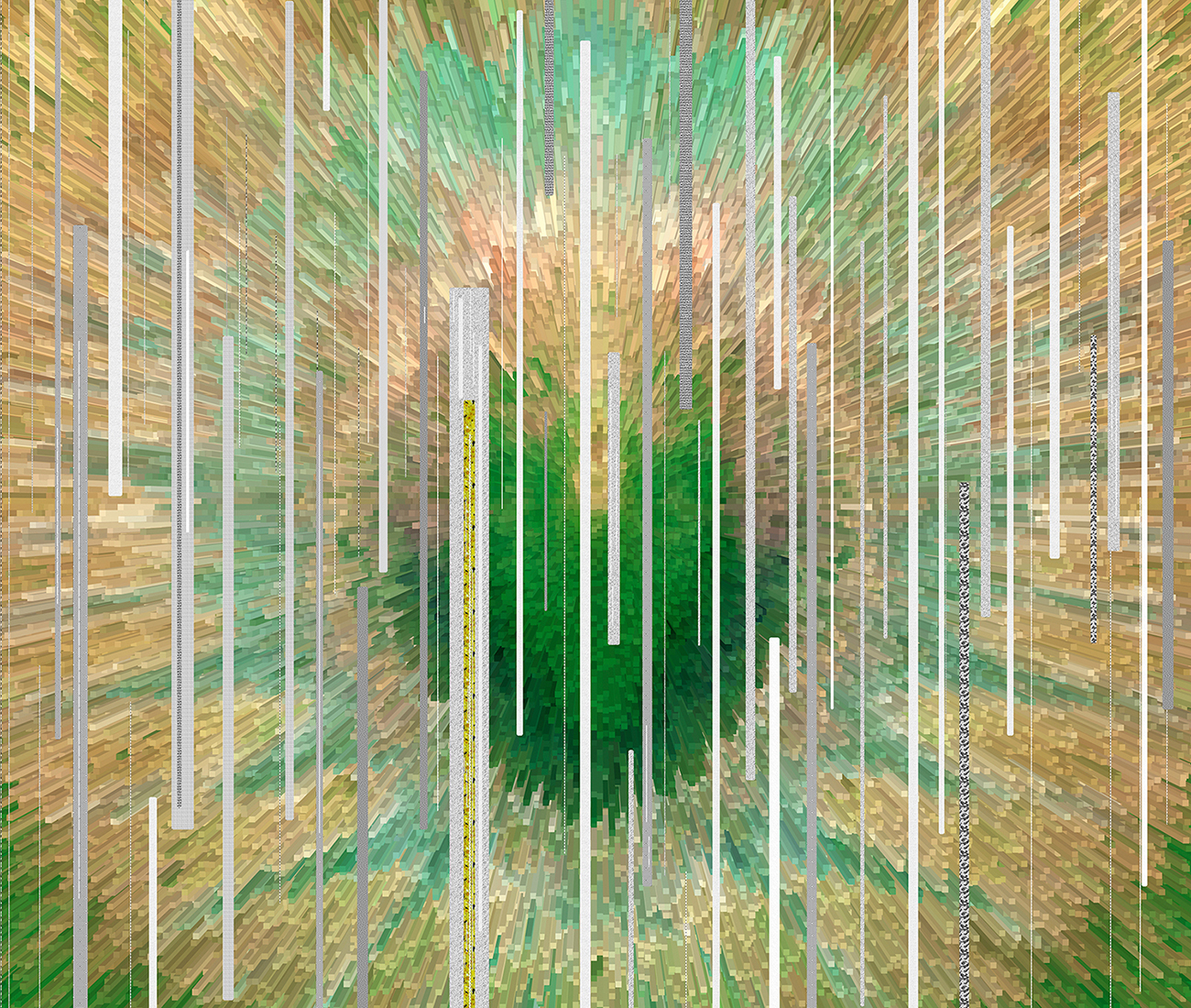
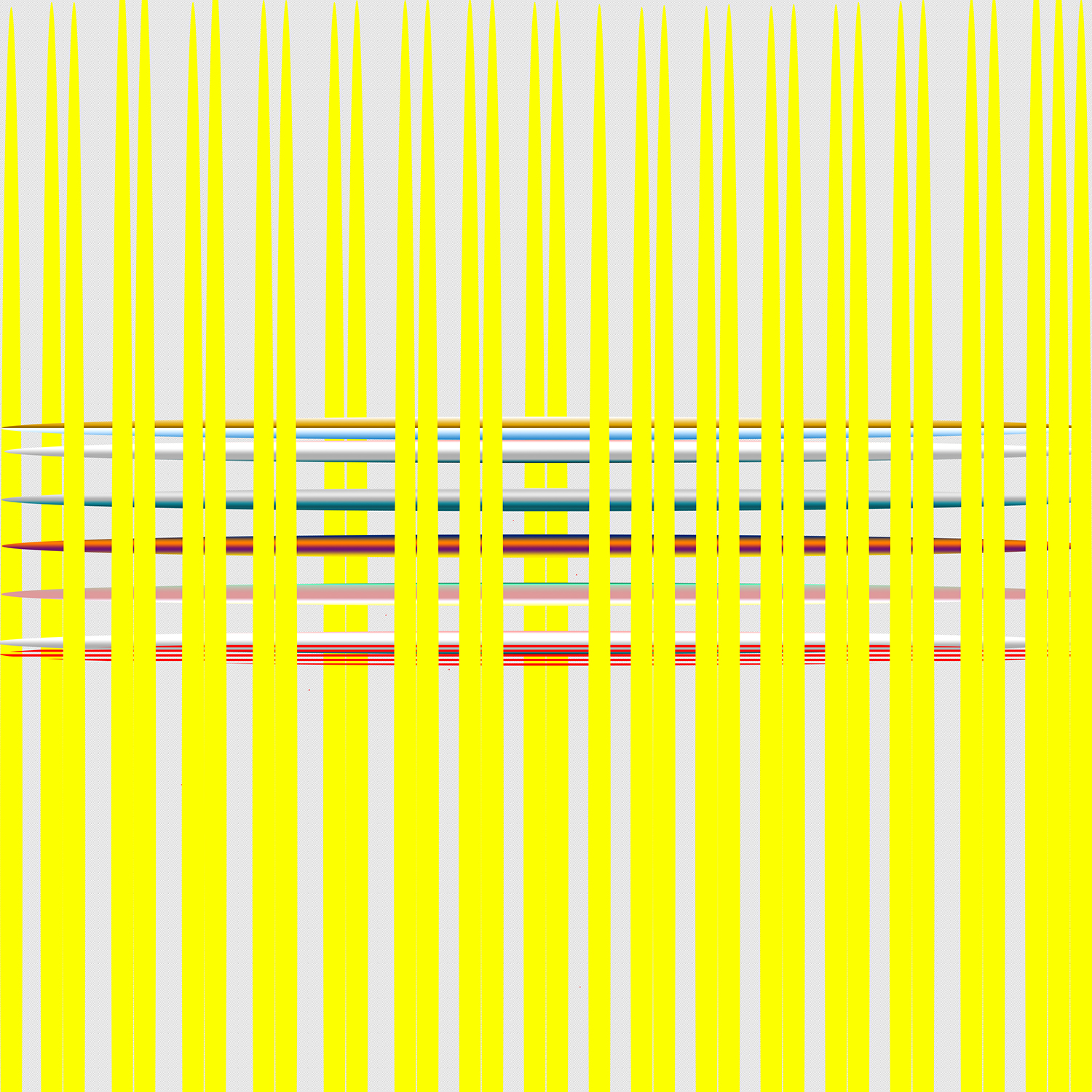






“Noisoma 1/3” — The Self-Organizing Order of Electronic Noise and Dream
Noisoma employs electronic noise as its primary sonic language to explore the shifting balance between chaos and order within dream states. Here, noise is no longer a disturbance or residue—it becomes a self-generating acoustic organism, possessing its own rhythm, logic, and breath.
Both dream and electronic noise share a non-linear structure: fragmented, discontinuous, and seemingly chaotic, yet governed by an implicit coherence beneath the surface. Through algorithmic noise generation and the layering of dream fragments, the work transforms sound into a reflective space of the subconscious.
The sound field resists melodic harmony or rhythmic regularity. Instead, it invites the listener into a state of perceptual disorientation—an in-between condition of wakefulness and sleep, where frequencies collide and dissolve. Noise here becomes the language of dreams: an acoustic metaphor for the collapse of order and the reassembly of meaning.
Ode to wither 枯萎頌
Director:Zhou Chengzhou
Songwriting:Wang Yiling
Cinematographer:ZhouChengzhou
Producer:Wang Yiling
Editor:Shou Ying
Lead role:Wang Yiling
Mother:Cheng Min
Maternal Grandmother: Yan Shuyuan
Aunt:Wang Guoqing
San San
Director ZHOU Chengzhou
Producer LI Yujun
Main person SHAMA Wusan, SHAMA Wuniu, WANG Ying, SHAMA Jiaqiang, SHAMA Wujia
Cinematographer/Editor ZHOU Chengzhou
Runtime: 24m 57s
IMDb:https://www.imdb.com/title/tt38349185
Director Statement
In this documentary, the central recurring image is a dead pig drifting along a flowing river. In Chinese culture, pigs symbolize wealth; a dead pig, rotting on the water’s surface, evokes the loss of once-cherished wealth, faith, and hope. Though her father’s love has faded into the past, the water continues to flow—embodying the resilience of life, the passage of time, and an unstoppable vitality. Like the river itself, the little girl carries on with an unyielding, vibrant spirit.
The film follows a young Yi ethnic girl and her friends in Xide County, a remote mountainous area in western Sichuan. In the post-pandemic era, their world has not stood still. Above the ground, the water veins still run; life continues to search for a way forward.
Through the girls’ daily games, moments of confusion, and shared dreams, we witness a small yet unyielding force of life. The dead pig will inevitably decay, but the water — gentle yet steadfast — never stops flowing.
This is a story about loss and continuation, and a record of how children in the marginalized mountain regions of China continue to grow.
Trailer